Gallery
This online Gallery is an excerpt of works on paper, focusing predominantly on xylo- and chalcography, predating the 18th century. Further intaglio iterations and more modern approaches, such as litho- and serigraphy, are represented as well.
All compositions below are supplemented with title, artist and year of release. As far as available, catalogue raisonné, copy number and Lugt coded provenance are provided additionally, including relevant commentary.
The collection of Art Depot Olieslagers contains over 500 titles. Hence, the Gallery is subject to change, particularly through new acquisitions. Moreover, other works are periodically displayed in the Theme section.
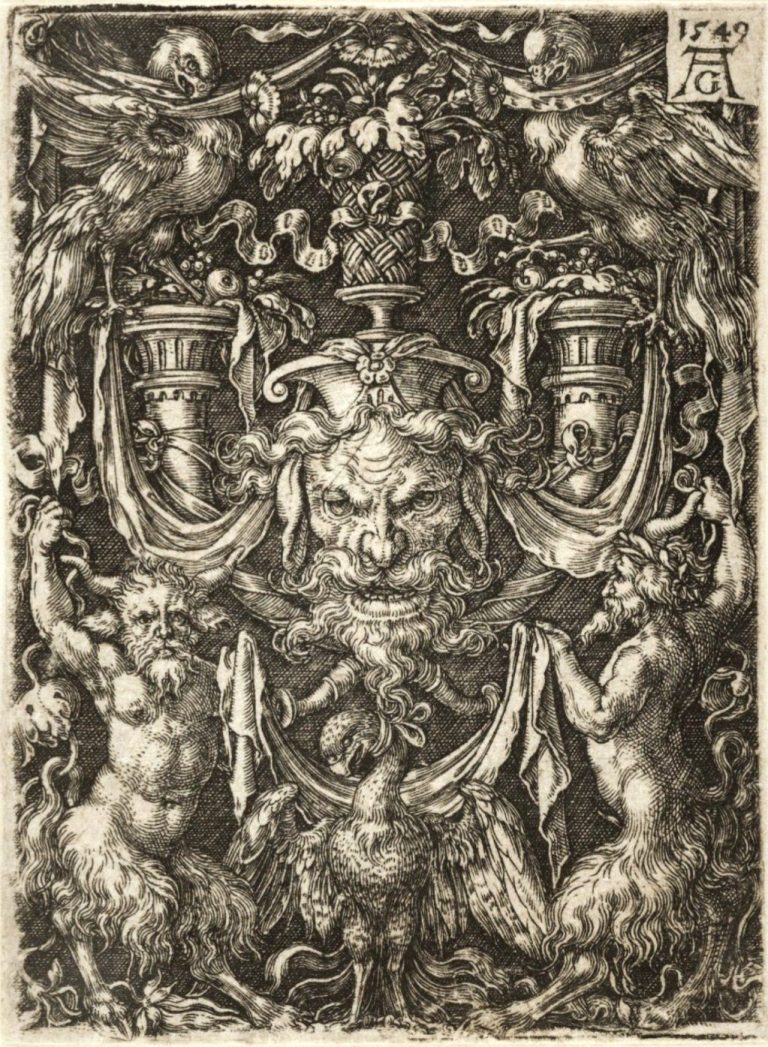
Ornamental design with a mask and an eagle between two fauns below
Aldegrever, Heinrich
1549
New Hollstein 272 (only)
A highly intricate work from one of 'die Kleinmeister', with a width just shy of 5 cm.
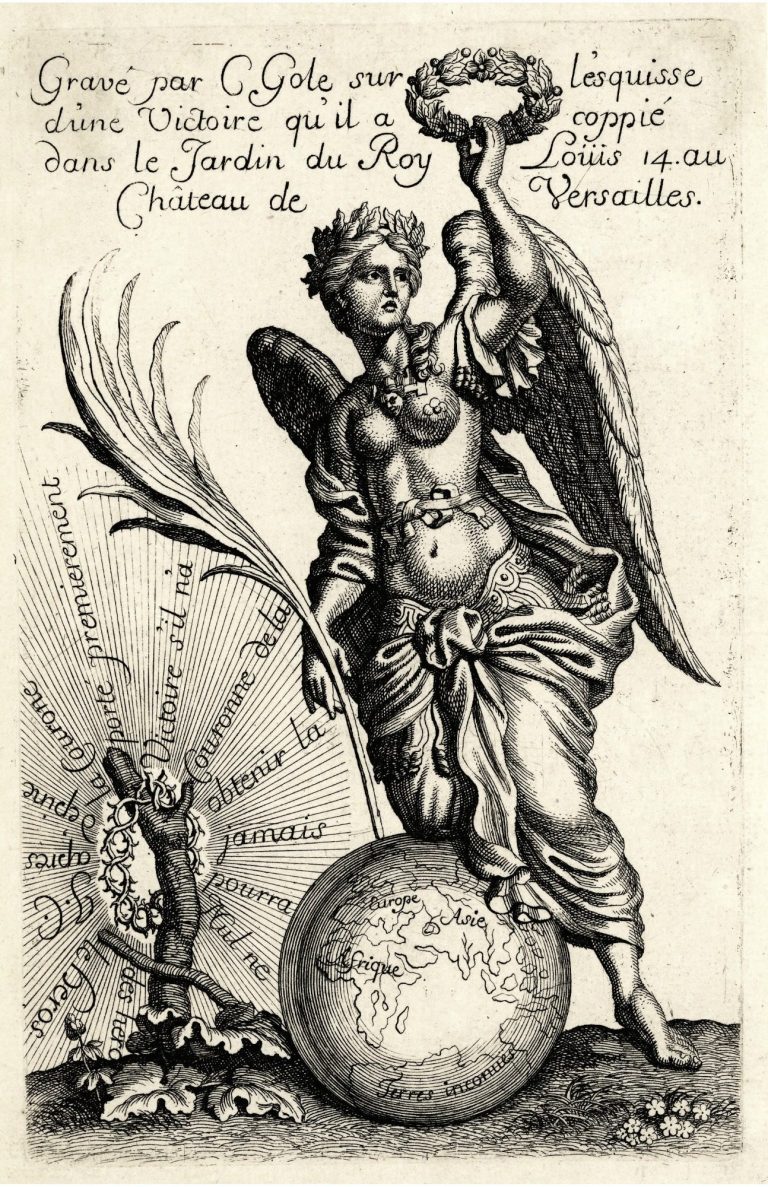
Victory
Gole, Cornelius
Between 1677-1685
Engraved from a sketch in the garden of Sun King Louis XIV at the Palace of Versailles.
Cornelius Gole, before moving to London due to revocation of the Edict of Nantes, was the cabinetmaker for Louis XIV. In England he pursued his career to the court of William (of Orange) III and Mary II.
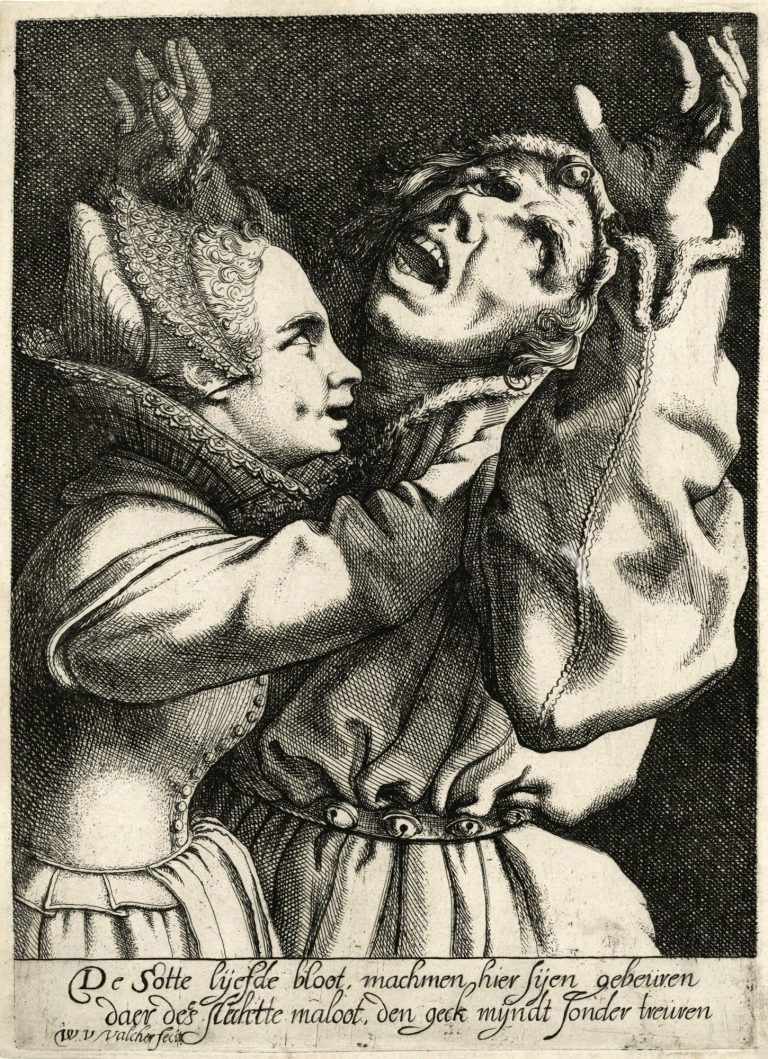
Fool embraced by a girl
Valckert, Werner van den
Between 1595-1645
Hollstein Dutch 12 (only)
The text below tells a tale of human nature, translating somewhat to:
'Silly love exposed, that’s what happened here. As the mischievous fool, loves the wicked without gloom.'
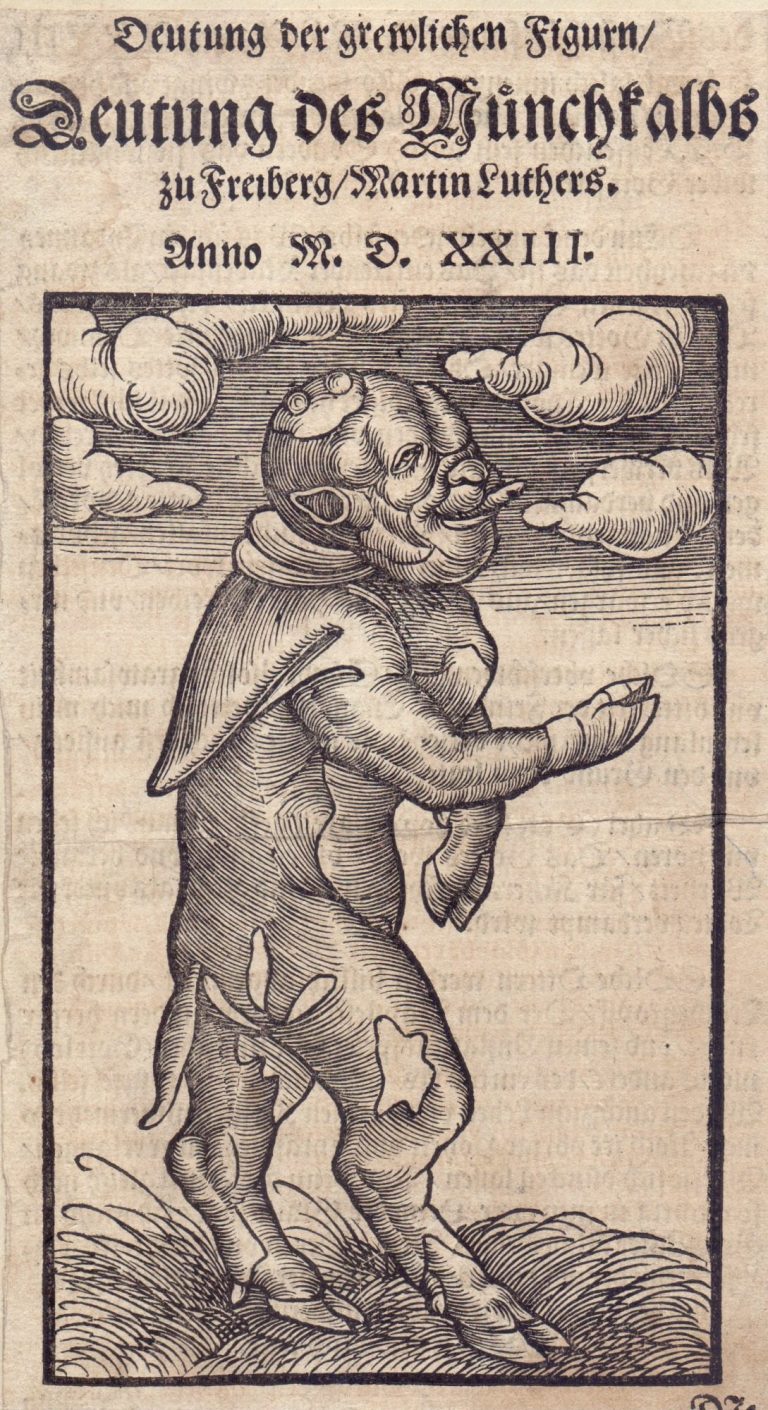
Monk's Calf
Cranach (I), Lucas
1523
Renaissance and Reformation: German Art in the Age of Dürer and Cranach
Woodcut of the Monk's Calf (Mönchskalb) from Freiburg in the anti-papal pamphlet (Flugschrift gegen das Papstregiment und die Auswuchse nahenden Unheils) by Martin Luther. Published together with the Papal Ass (Bapstesel) from Rome, presenting both gruesome figures (Deutung der grewlichen Figurn), which Luther and his secondant Philip Melanchton applied to satirically illustrate the sins of the Catholic church. Deformations at birth were considered admonitions of God appealing for repentance, as a preamble to the forthcoming and inevitable catastrophic fate of the world.
Both Monk's Calf and Papal Ass woodcuts are preserved in the collection of Art Depot Olieslagers.
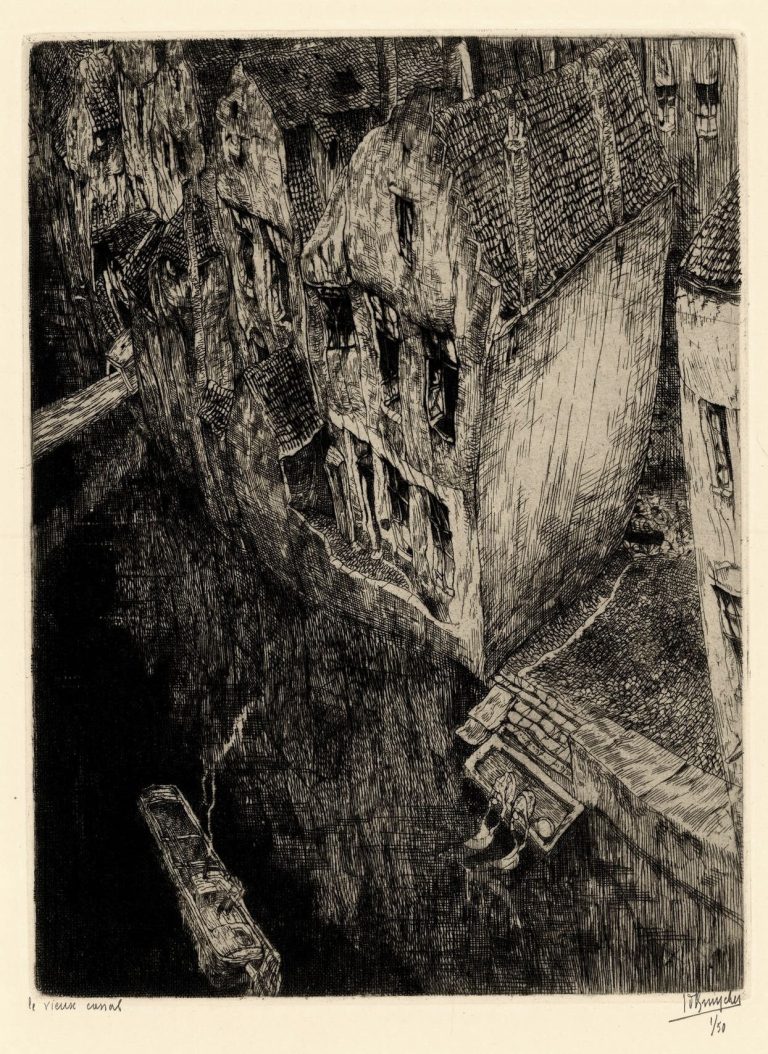
Le vieux canal
Bruycker, Jules de
1926
LeRoy 139
1/50
Jules de Bruycker's line work and implementation of contrast evoke a sense of eeriness, which deeply characterized his artistic style.
Art Depot Olieslagers holds many other works by Belgian's greatest engraver during the first half of the 20th century, including a unique artist proof of La Ruelle which Jules de Bruycker presented to his wife Raphaëlle, celebrating their decennial in 1929. He added the inscription 'a Raphaëlle de Bruycker' bottom center, between title on the left and signature on opposite side. La Ruelle, created in 1906 long before their marriage in 1919, remained one of her favorites.
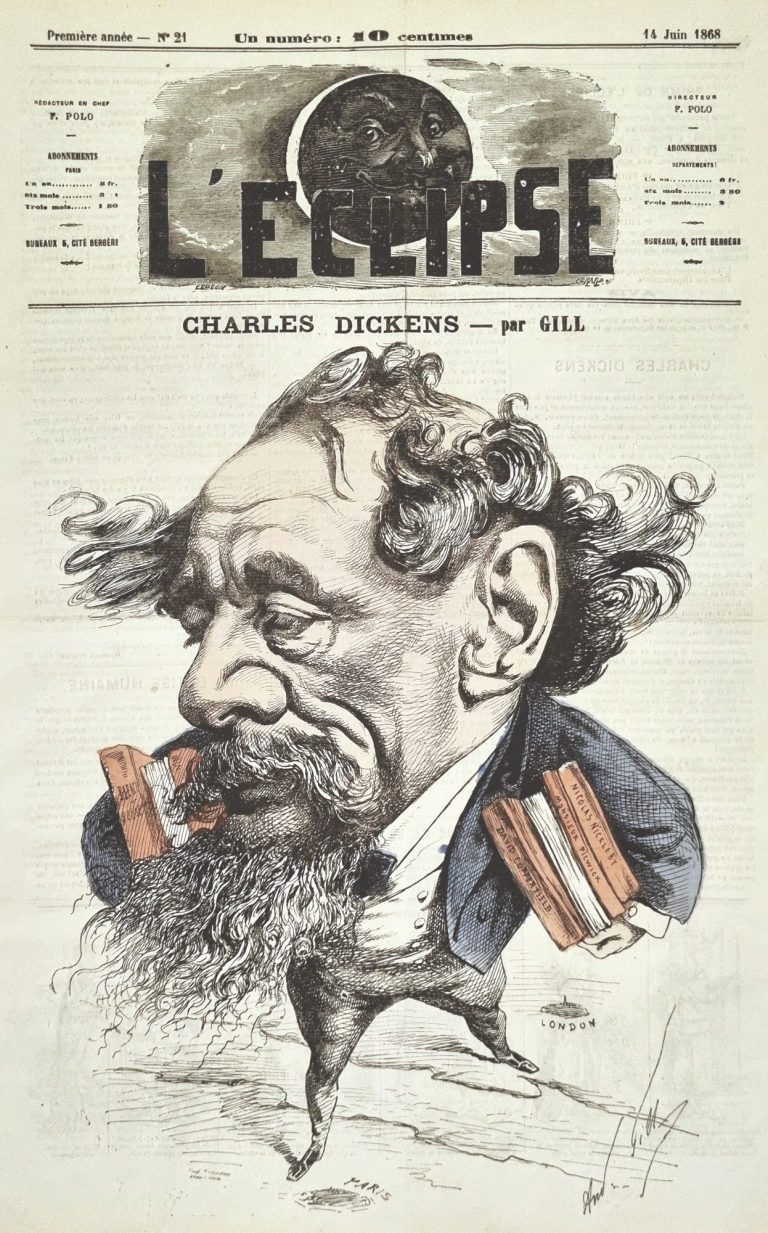
Charles Dickens
André Gill
1868
Fontane II
The periodical L'Éclipse emerged after censorship of its predecessor La Lune in which André Gill presented a caricature of Napoleon III. Upon the ban of La Lune by the president of France due to absolute discontent with Gill's satirical representation, the Parisian administration declared "l'éclipse de la lune". Gill and his publisher underlined the depth of wittiness during the high era of French satire by naming their new magazine L'Éclipse.
This print, showing Charles Dickens crossing the Channel with his left leg near London and the other towards Paris, hints to his famed 1859 publication A Tale of Two Cities.
The red and blue hand-colouring are original to the lithograph.
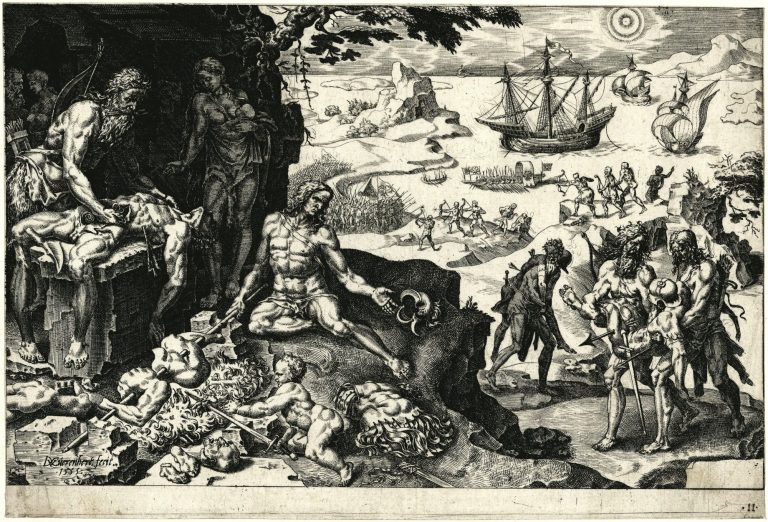
Invasion of Central America by troops of Charles the 5th
Coornhert, Dirck Volkertsz
1555
New Hollstein Dutch 529-1 or2(6)
An explicit and graphic work by this Dutch homo universalis, created during the formative period of Northern Mannerism.
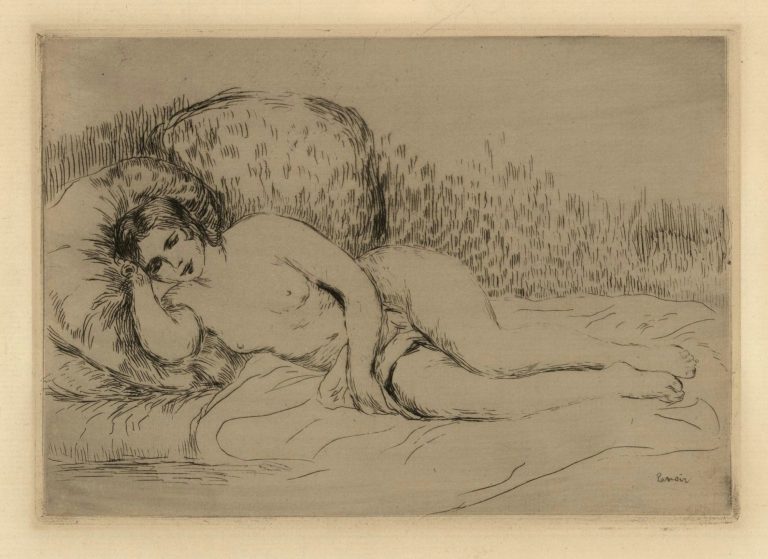
Reclining nude, facing left
Renoir, Auguste
1906
Delteil 15-2(2)
One of the first imprints, with an outstanding level of plate tone and detail.
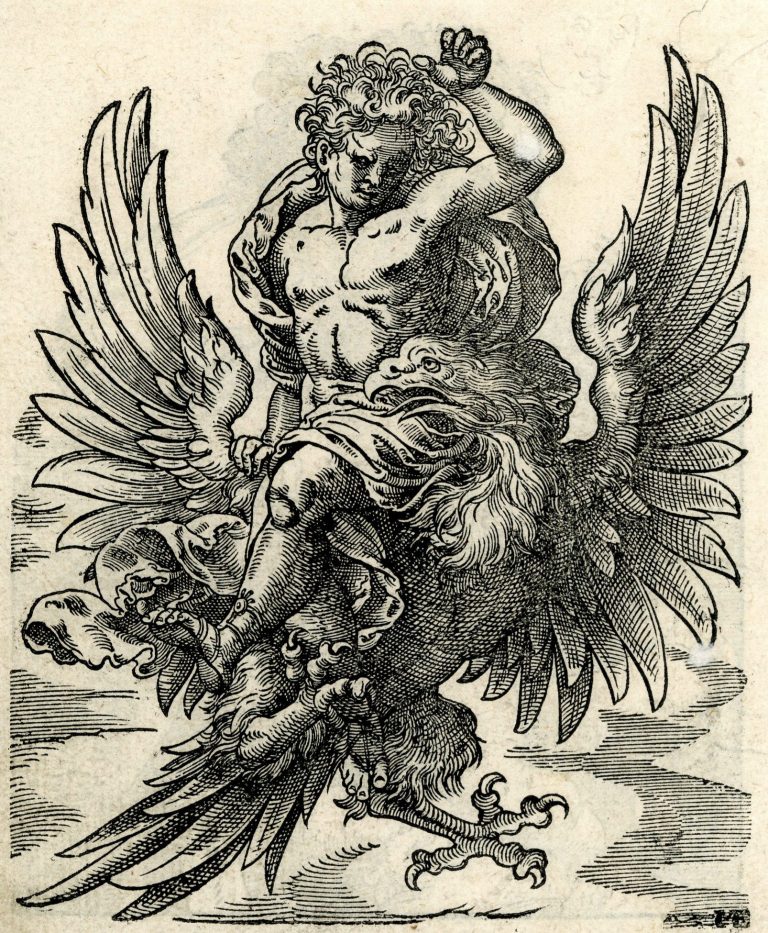
The abduction of Ganymede by Jupiter
Amman, Jost
Mayer, Lucas (formschneider)
1580
New Hollstein German 1792
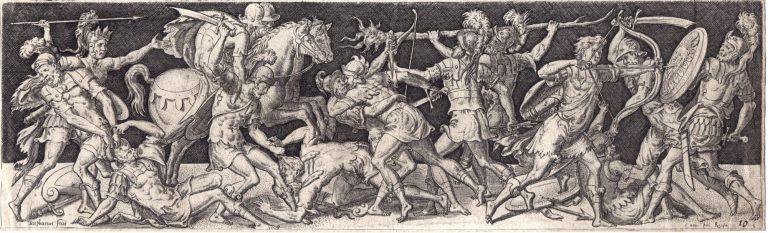
Battle between cavalary and infantry
Delaune, Étienne
1540-83
Dumesnil 290-2(4)
Like many of his printmaker contemporaries, Étienne Delaune was trained as a goldsmith in the first instance. However, he stayed truer to this profession and excelled in it more than most. His craftsmanship in metalwork was of the highest echelon, with one of the absolute masterpieces being the parade armour he fashioned for the king of France at the time, Henry II. This astounding piece is displayed at the Metropolitan museum in New York City.
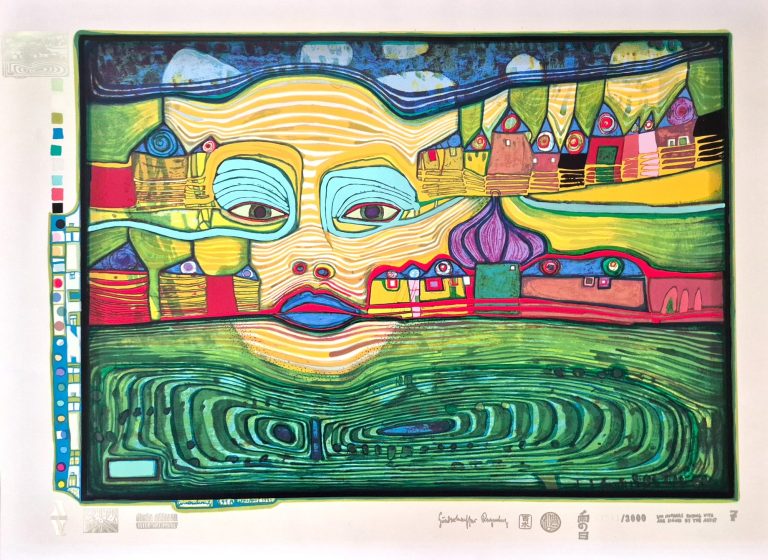
Irinaland over the Balkans
Hundertwasser, Friedensreich
1972
1241/3000
This serigraph tells the story of Hundertwasser's escapades in the Southern part of Eastern Europe, involving his relations with a Bulgarian actress.
The print consists of over 30 colours, several retaining metal embossing and 2 embedded with phosphorescent material. The latter light up the yellow strokes that make up the face and left margin squares in darkness.
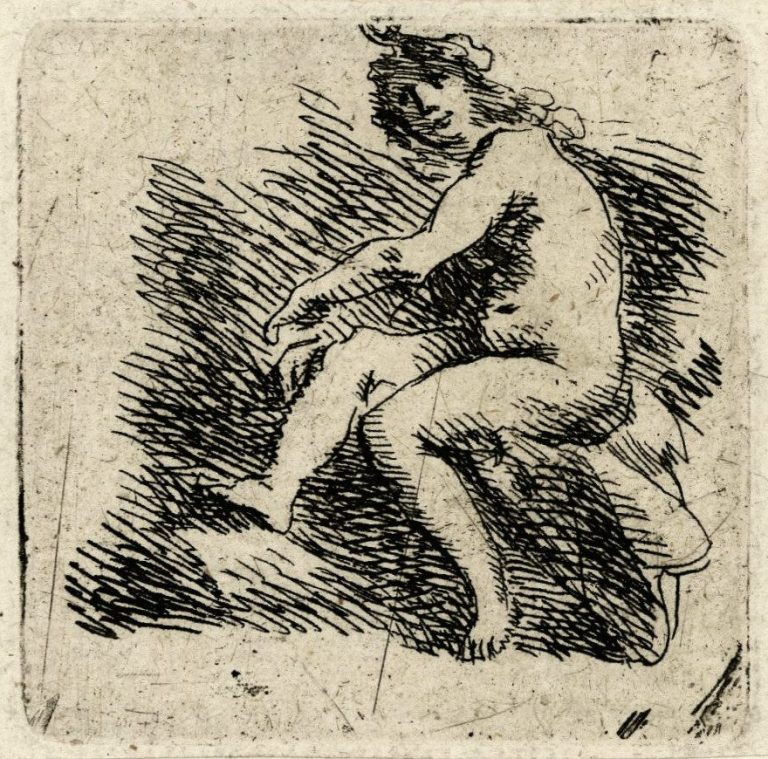
Female nude on a rock
Schut (I), Cornelis
Between 1618-55
Hollstein Dutch 201 (only)
Inspired by Rubens' Diana.
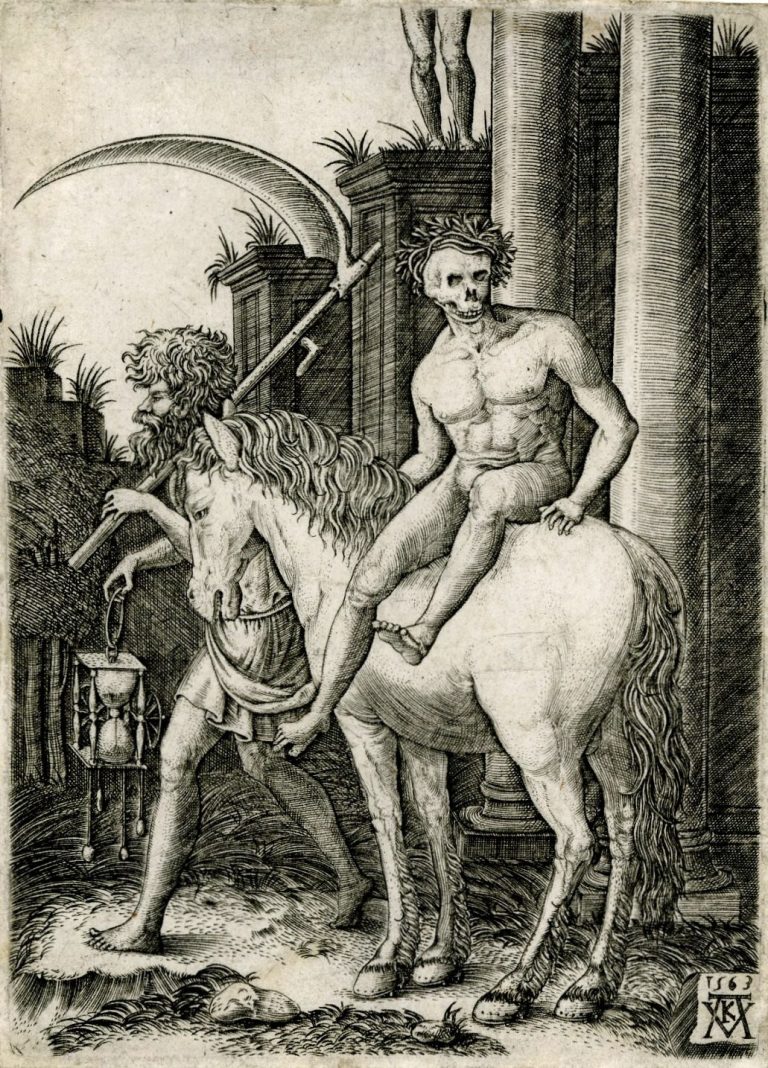
Time and death
Cartaro, Mario
1563
Cattaneo, Grafica d'Arte
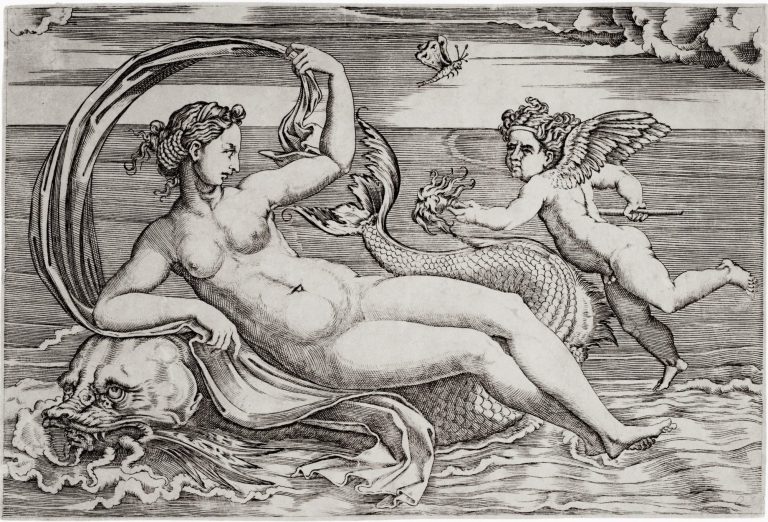
Reclining Venus on a dolphin
Veneziano, Agostino
1516
Bartsch XIV.192.239
Engraved after a design from Raphael Sanzio's atelier. Agostino Veneziano worked closely with Raphael and his team, who were stationed at the Palatium Vaticanum in Civitas Leonina, nowadays known as the Apostolic Palace in Vatican City. From 1516 onwards and through Marcantonio Raimondi's workshop, Veneziano produced engravings of exceptional quality, which genuinely reflected Raphael's aesthetic.
The print here is a 1st state. Bartsch does not describe any other, however, a 2nd state was released by Antonio Salamanca with his publishing address engraved at the end of the draping (bottom center). Salamanca, also based in Rome, started publishing Veneziano's prints from 1530 onwards, 10 years after Raphael passed away.
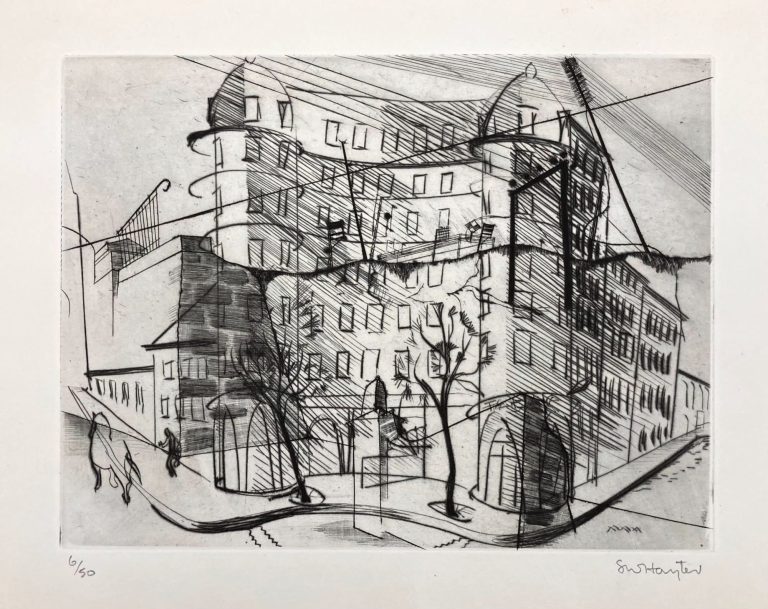
Place Falguière
Hayter, Stanley William
1930
Black and Moorhead 33
Art Depot Olieslagers retains the entire portfolio Paysages Urbains, Black and Moorhead 33 to 38, including the original casing.
Paysages Urbains is Stanley William Hayter's first ever portfolio of 6 plates depicting sites around Paris in a surrealist manner. These etchings with plate tone and drypoint were created in the very early years of his famed Atelier 17, which served as the fundamental location in the development of engraving skills for many other European greats like Joan Miró, Max Ernst, Maria Helena Vieira da Silva and Alberto Giacometti.
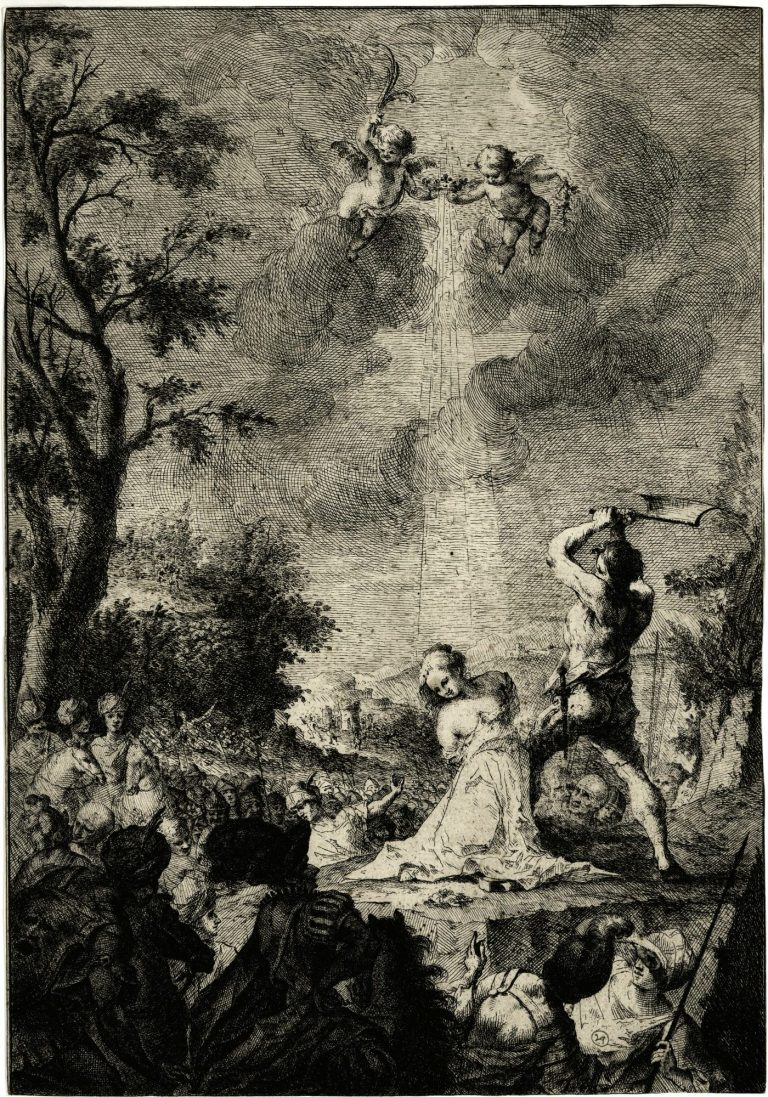
Martyrdom of a female Saint
Unidentified
Saint Catherine of Alexandria or Saint Barbara presumably.
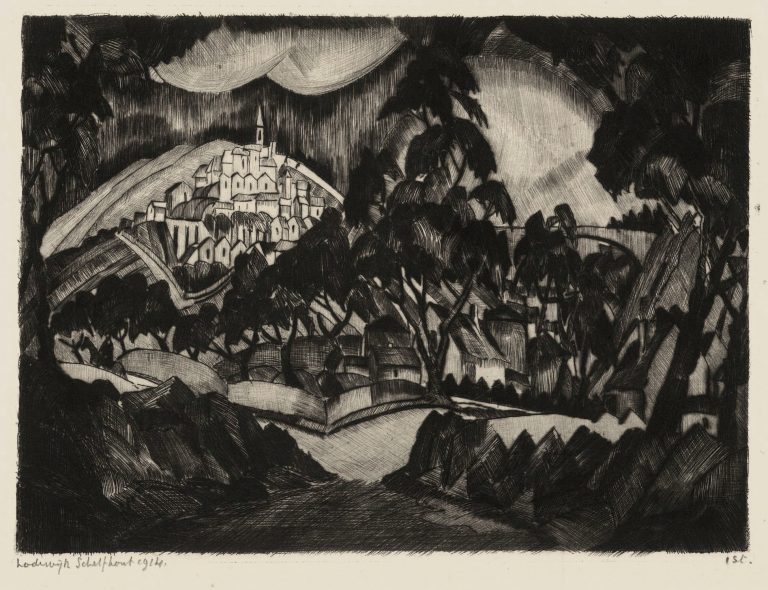
The evening
Schelfhout, Lodewijk
1914
Zandvoort-1(2)
One of 28 copies totalled (both states)
This drypoint on zinc by Lodewijk Schelfhout splendidly captures the essence of Georges Braque's 1908 and Henri Le Fauconnier's 1911 landscapes in monochrome, validating his title as the first Dutch cubist.
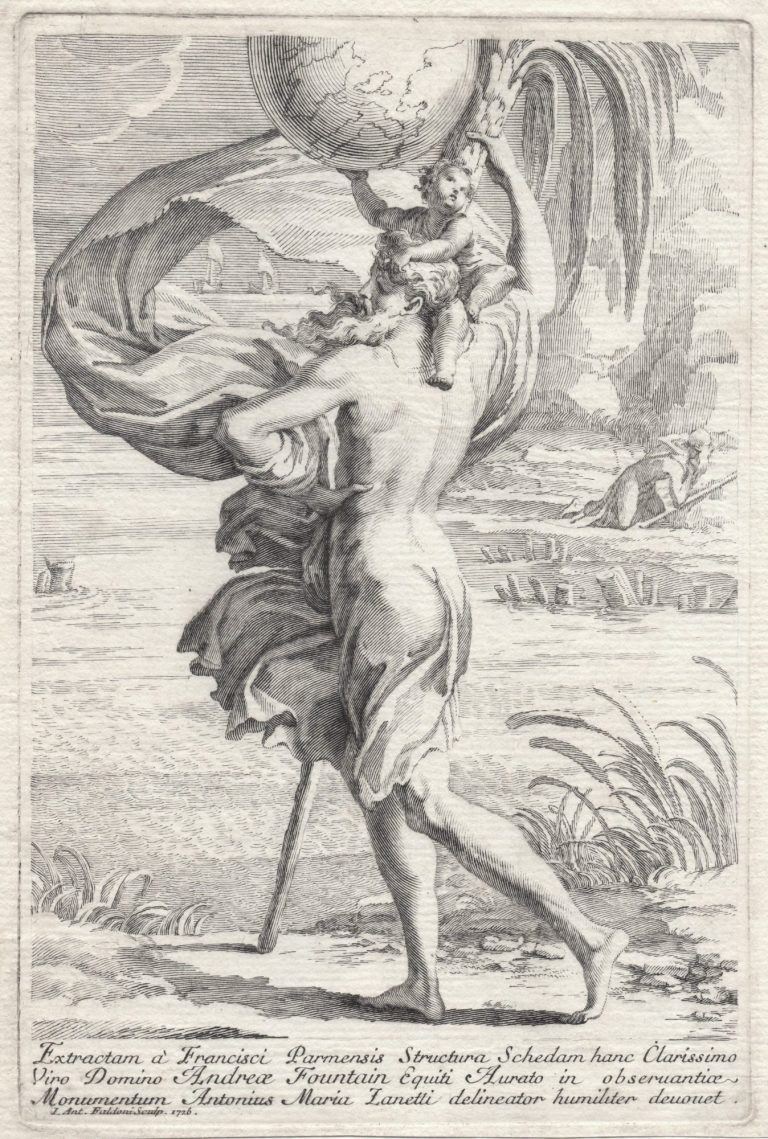
Saint Christopher carrying the Christ child on his shoulders
Faldoni, Giovanni Antonio
1726
Le Blanc II.217.11
Strong composition with optimal proportioning of Saint Christopher's physique. A classic theme, drawing inspiration from Claude Mellan and Jan Harmensz Muller.
This print bears a collector's mark, the provenance of which is currently under investigation at the Fondation Custodia.
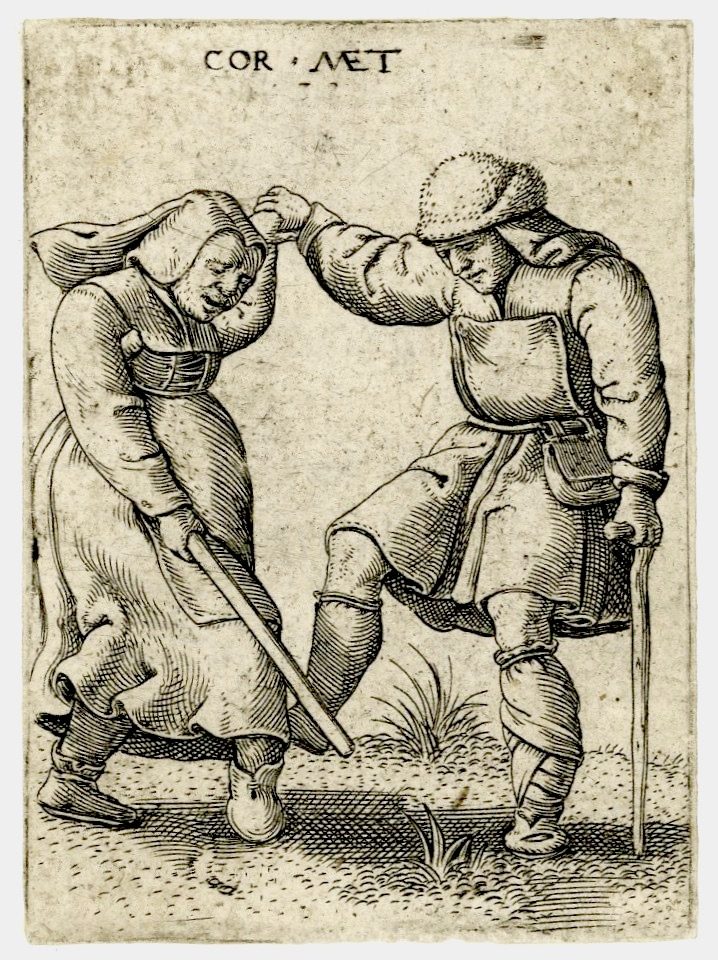
Crippled man dansing with a woman
Massijs, Cornelis
Bewteen 1539-76
Van der Stock 17-2(3); Hollstein Dutch 145-1(2)
Van der Stock meticulously scrutinized the editions of the Dancing Crippled by Cornelis Massijs. The primary print run shows 1538 below the artists' identifier COR MET. The year was erased in all plates for the 2nd state, with minute traces still visible as observed in the print presented here. Hollstein erroneously refers to these date-omitted impressions as the 1st state. The 3rd and final state was created by addition of plate numbers in 1577.
Art Depot Olieslagers also holds Van der Stock 10-2(3); Hollstein Dutch 138-1(2) and Van der Stock 16-2(3); Hollstein Dutch 144-1(2) of the same series.
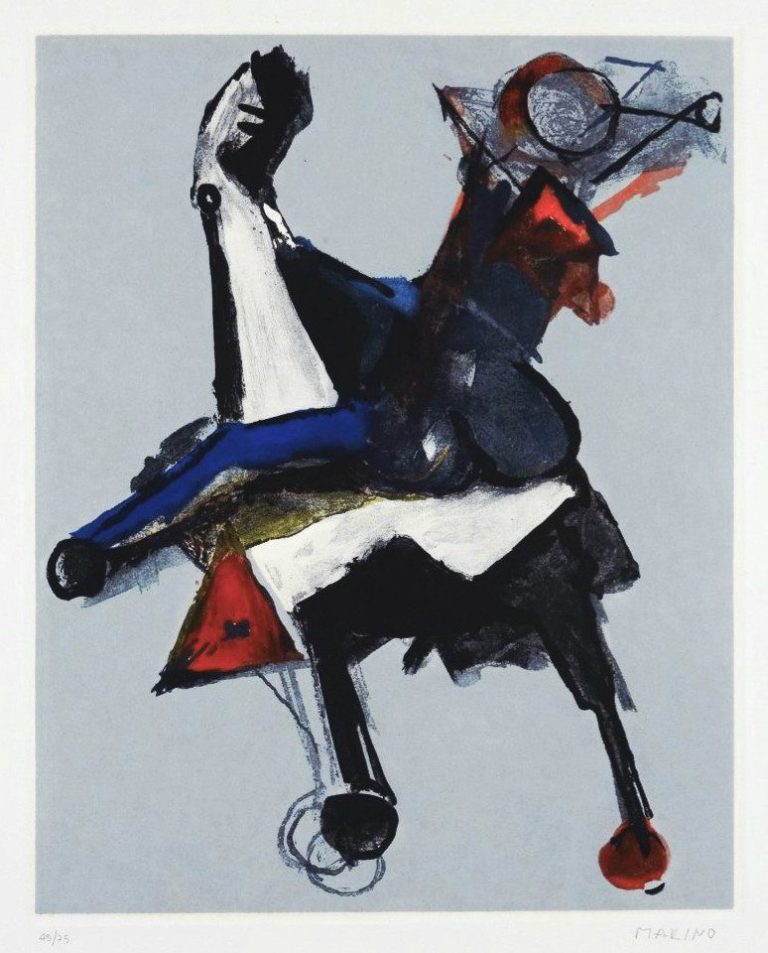
Marino from Shakespeare
series I, plate II
Marini, Marino
1977
49/75
Guastalla A188
This Italian professor of sculpture grasped the technique of intaglio printmaking to a tee as well, much like his role model Auguste Rodin. There is a circulating statement that an adolescent Marino Marini met Rodin at the art academy of Florence, where Marini was a freshman in 1917. In actuality, no evidence exists supporting this assertion. Examining Rodin's personal situation that same year makes it even highly unlikely he would have travelled abroad at all.
Art Depot Olieslagers holds other intaglio works, Cavaliere I (1972) and Gioco di teatro (1970), featuring Marini's hallmark equestrian theme.
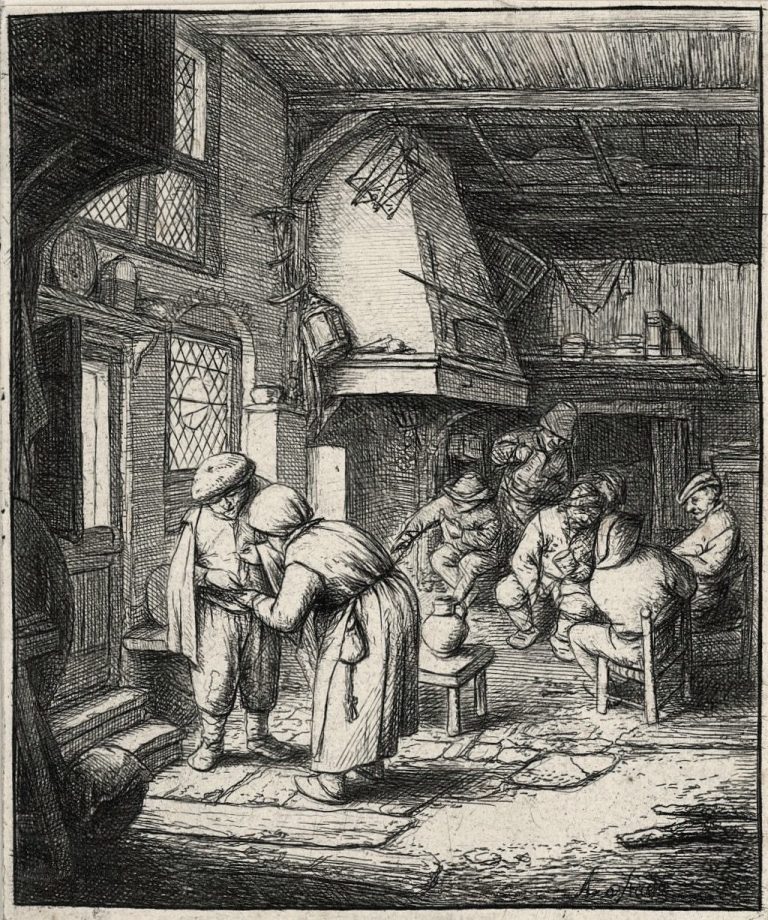
The peasant settling his debt
Ostade, Adriaen van
1646
Hollstein Dutch 42-8(14)
Lugt 1021
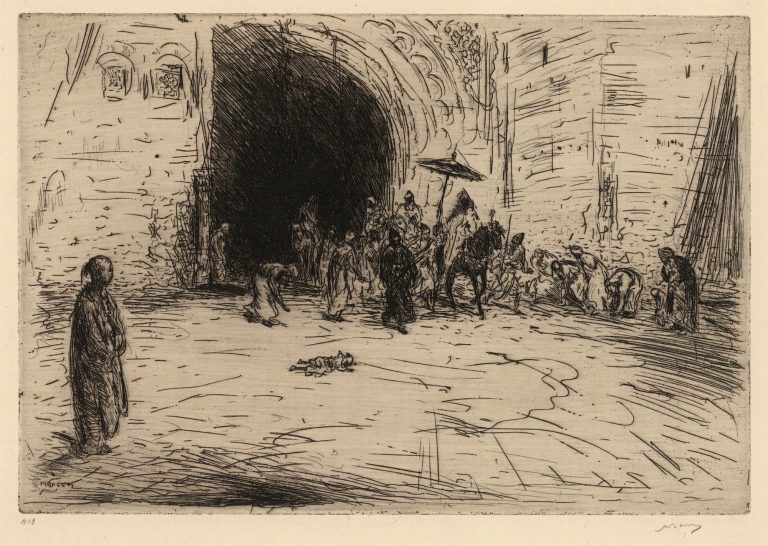
Sultan with his following
Bauer, Marius
1930
Van Wisselingh 292
18/90
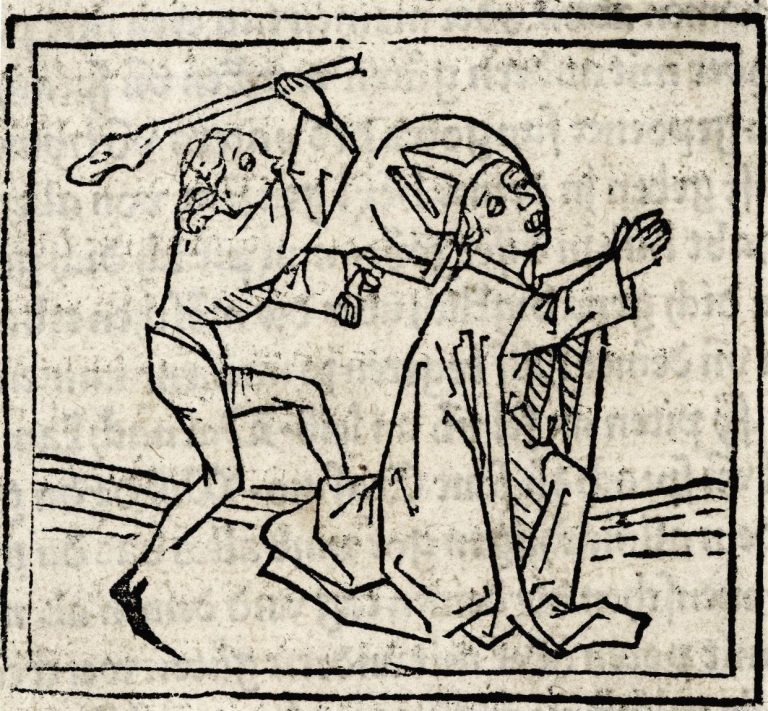
Woodcut from early German incunable
Anonymous
Between 1464-70
Schreiber: Handbuch der Holz- und Metalschnitte des XV Jahrhundert
A rudimentary xylograph from the dawn of incunables carrying figurative illustrations.
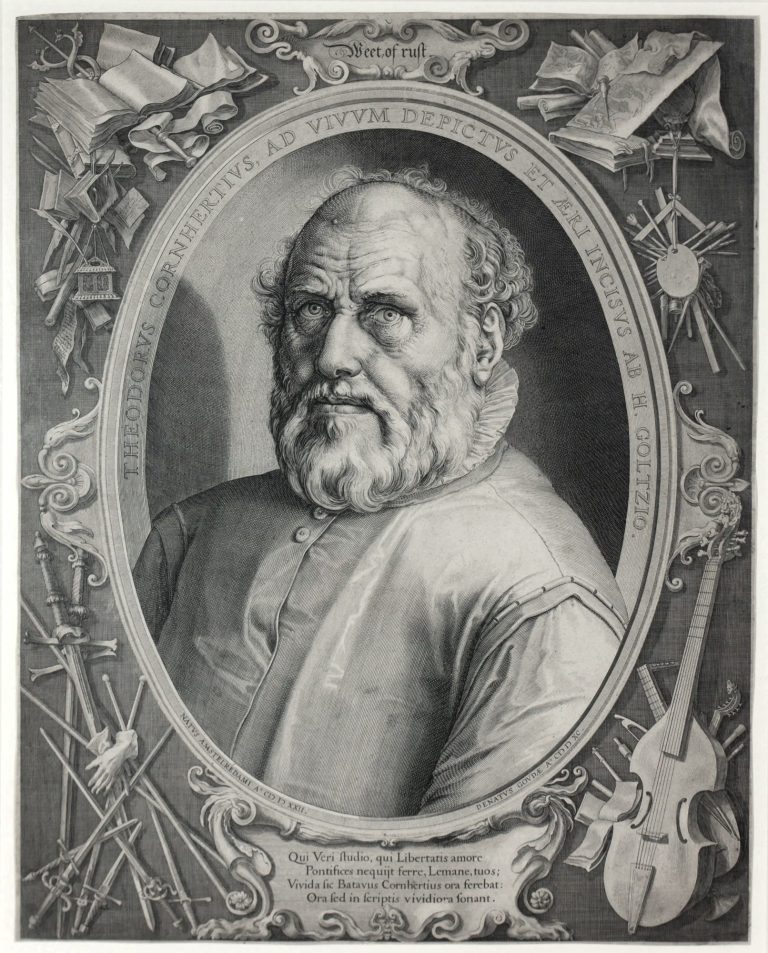
Portrait of Dirck Volkertsz Coornhert
Goltzius, Hendrick
1591
Hollstein Dutch 180-3(3)
For this work Hendrick Goltzius depicted his mentor from life, as indicated by the surrounding Latin text.
The cartouche is printed from a separate plate, rendering this specific composition the final state.
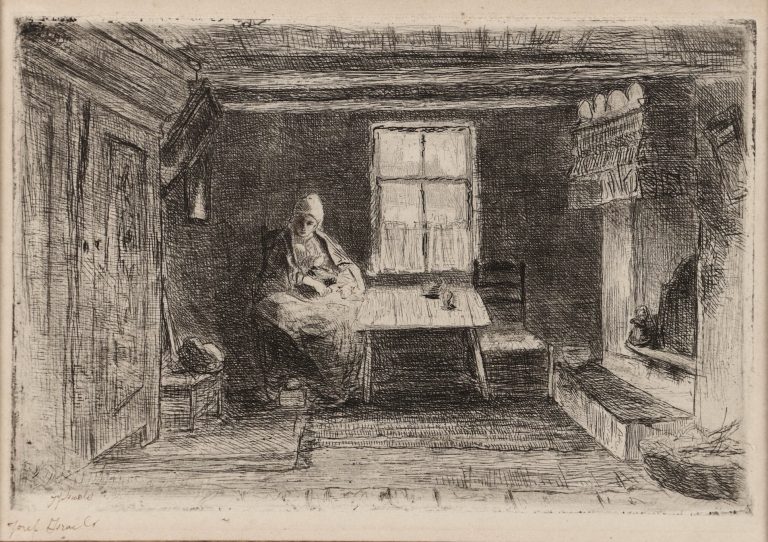
Interior with mother and child
Israëls, Jozef
Between 1835-1911
Hubert 21-1(3), artist proof before 2nd state
It appears Israëls wasn't pleased with the location or accuracy of his signature the first time around. However, the second try didn't go that smoothly as well. Rigorous handwriting analysis deems both signatures authentic.
It is plausible Jozef Israëls used this particular imprint to determine the most suited signing spot, hence a functional artist proof. In support of that notion, this print is a 1st state, though with a few additional etch lines to the item on the box on the left side and in the hearth facade below the 4 plates on the right. The 2nd state described by Hubert is significantly altered through cross-hatchings applied to the blanket over the mother's lap, the left wall and several other sections. All things considered, this is an intermediate artist proof in an unrecorded state.
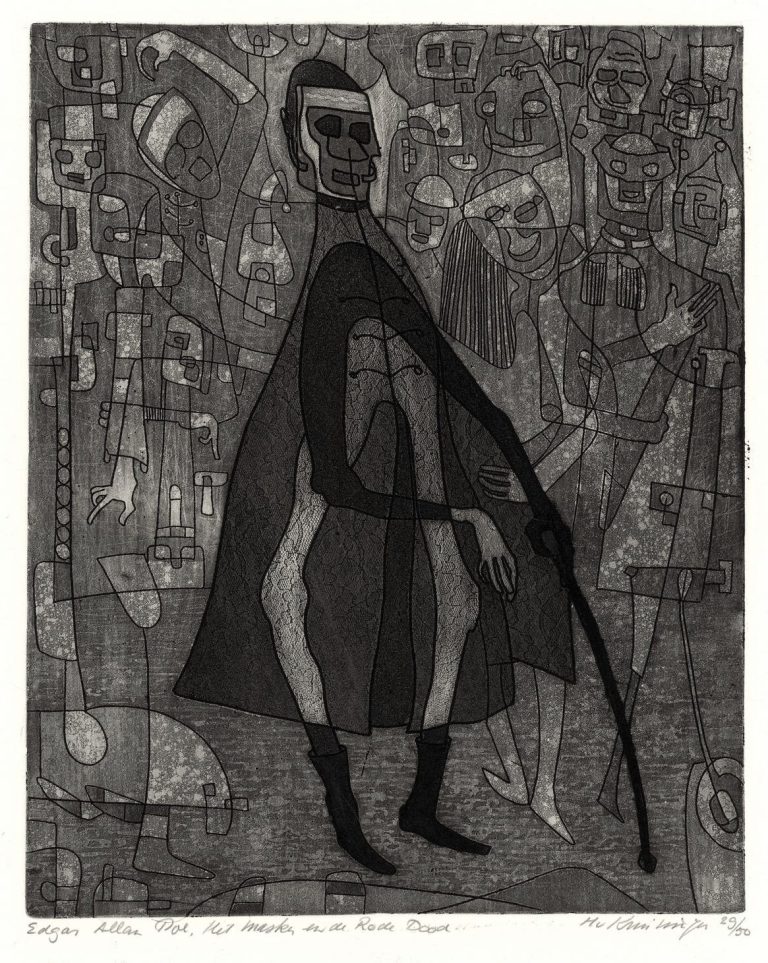
The masque of the red death
Kruinigen, Harry van
1975
29/50
Although perhaps not as known as some of his peers from the 20th century, Harry van Kruiningen was and undeniably remains one of Holland's most technically accomplished modern masters in printmaking.
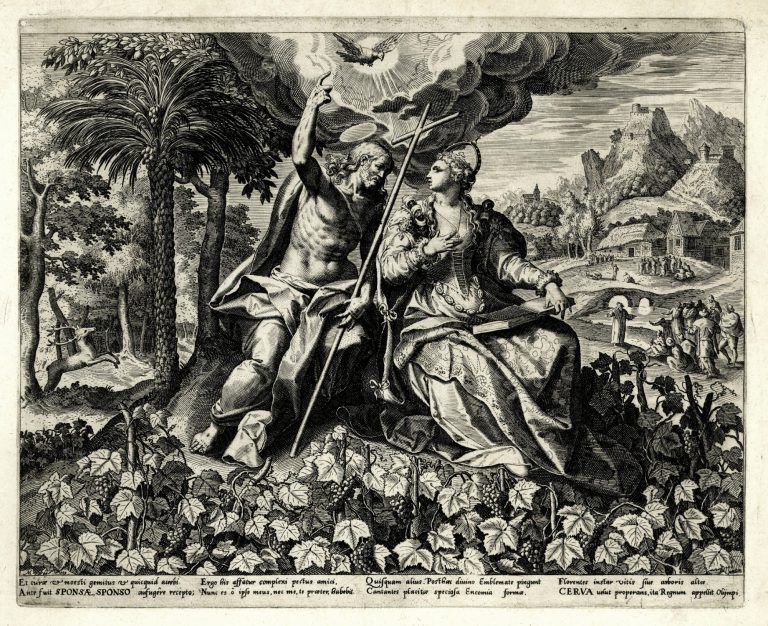
Christ with his bride in a vinyard
Sadeler (I), Johannes
after Vos, Maerten de
1590
Hollstein Dutch 114 (only)
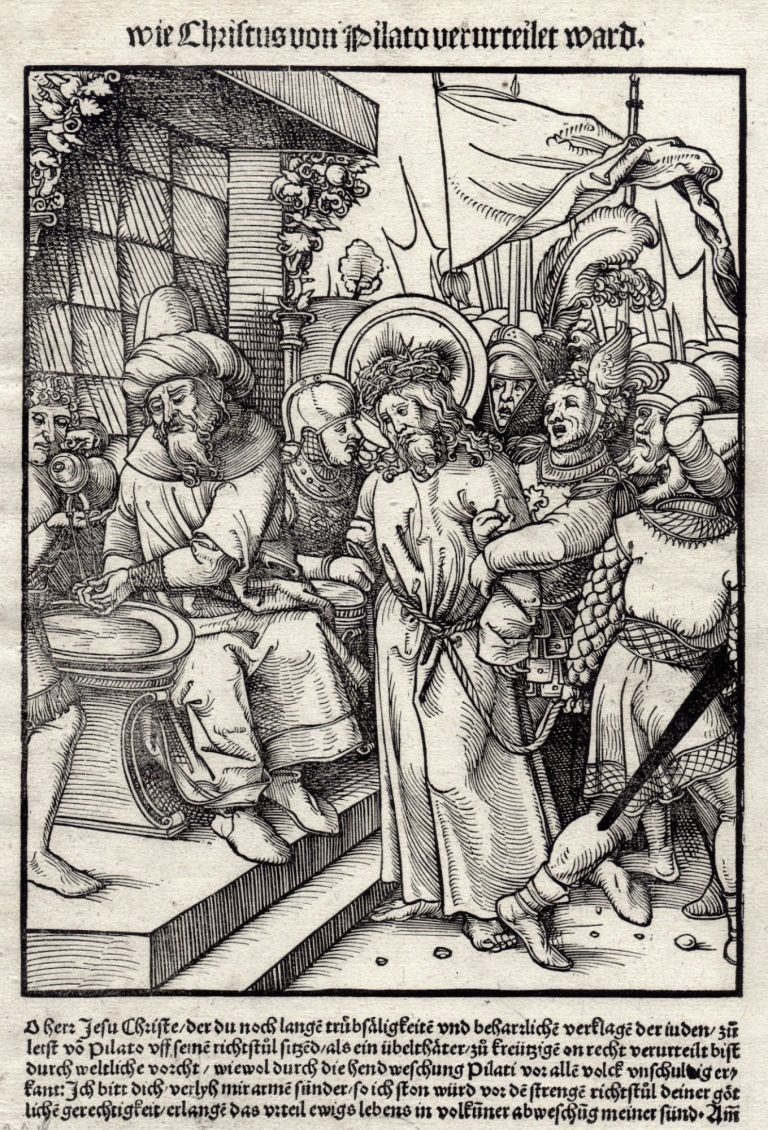
Pilate washes his hands
Wechtlin, Hans
1508
Paisey
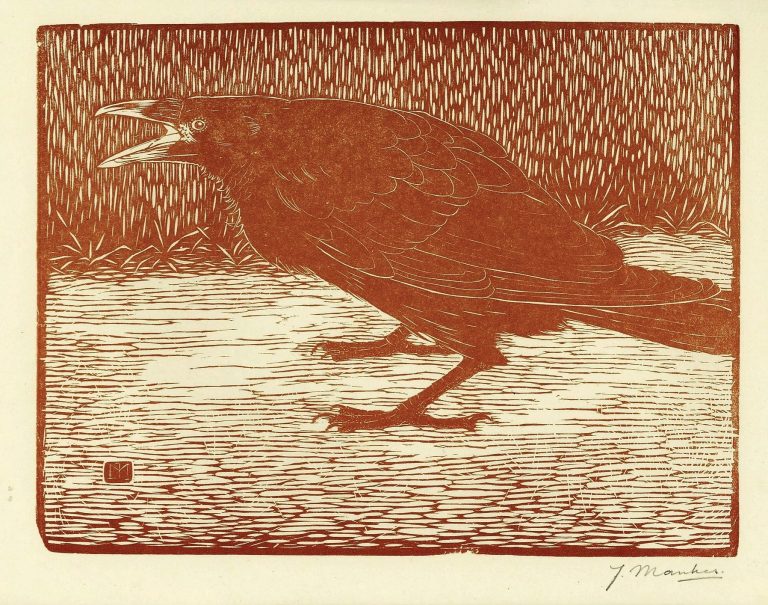
Crow cawing
Mankes, Jan
1918
De Groot 50-2(2)
One of Mankes' hallmark woodcuts, printed in an unconventional reddish-brown hue.
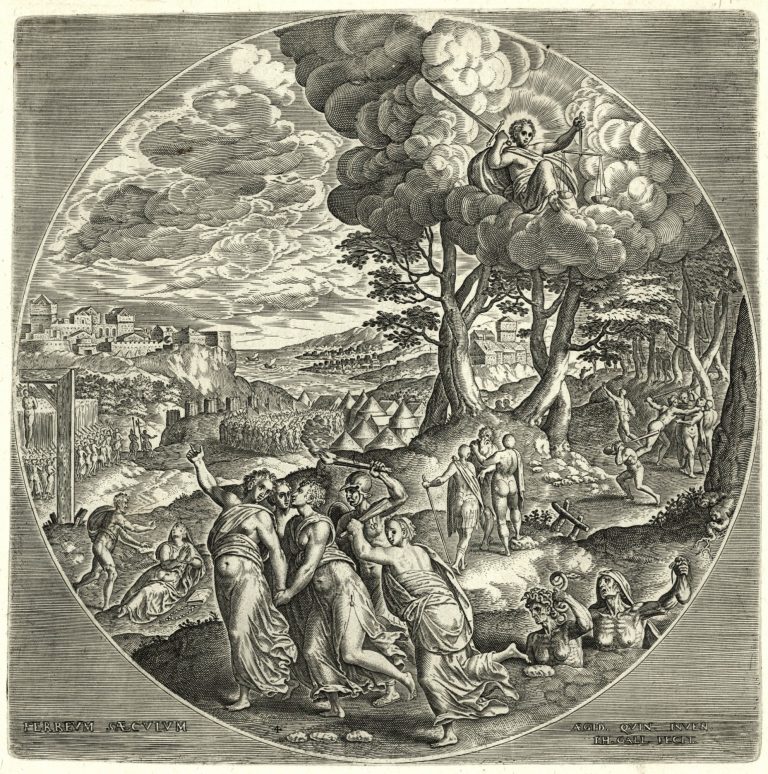
Iron age
Galle, Philips
after Coignet (I), Gilles
1573
New Hollstein Dutch 381-1(2)
Art Depot Olieslagers holds the complete set of 4 plates, including Golden, Silver and Bronze age, respectively New Hollstein Dutch 378-380, all in the 1st state on full folios.
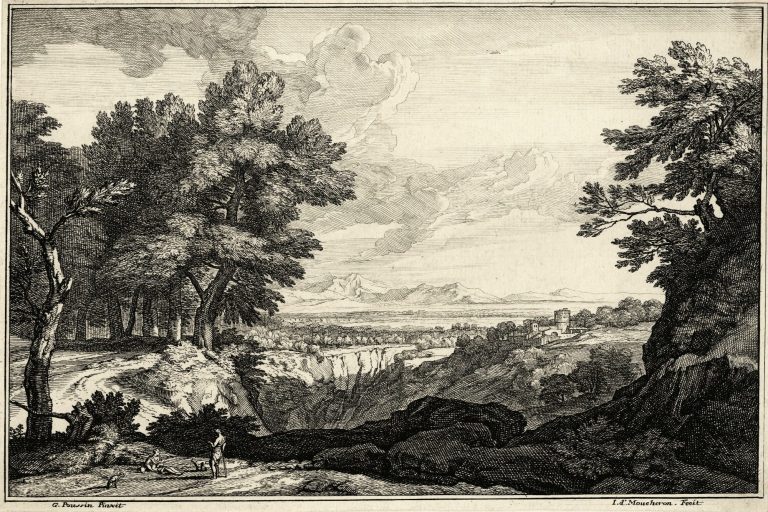
Landscape with a gorge
Moucheron, Isaac de
after Dughet, Gaspard
Between 1697-1744
Hollstein Dutch 41 (only)
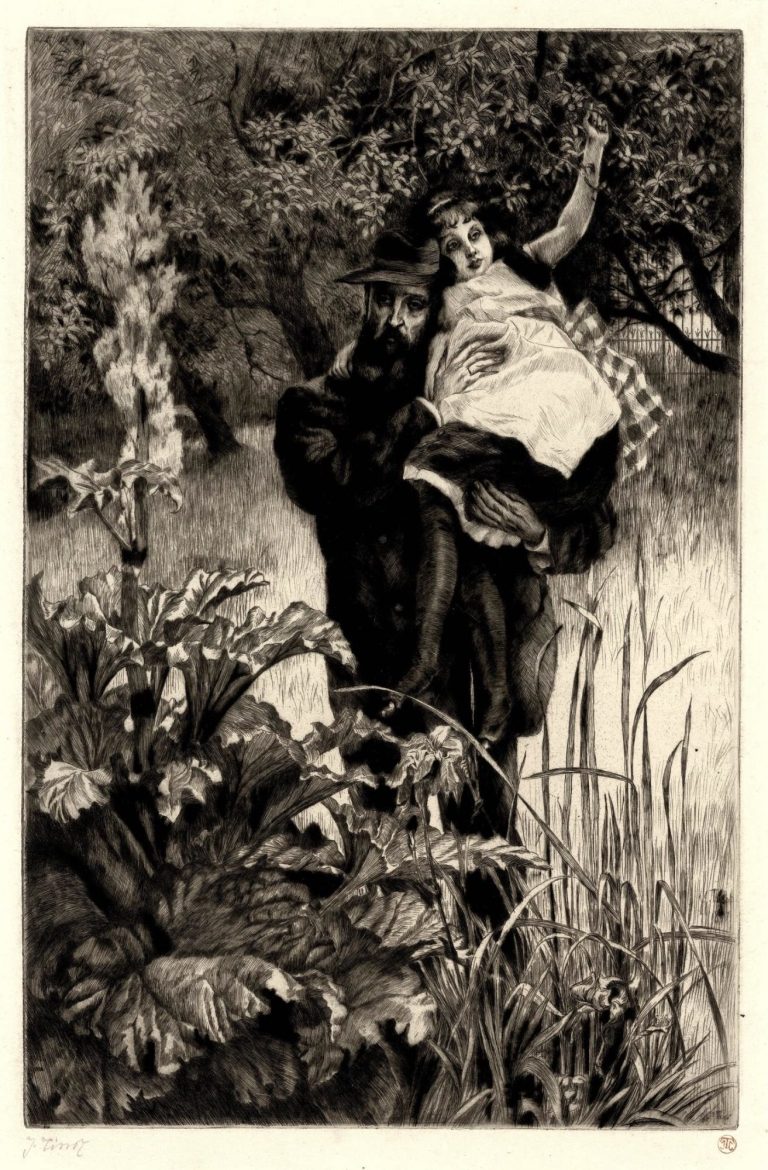
The widower
Tissot, James
1877
Beraldi 21
For this single state etching with drypoint, Tissot was able to recreate all emotions and details from canvas to copper in an exquisite manner. The painting, which he produced a year earlier, can be seen at the New South Wales art gallery in Sydney.
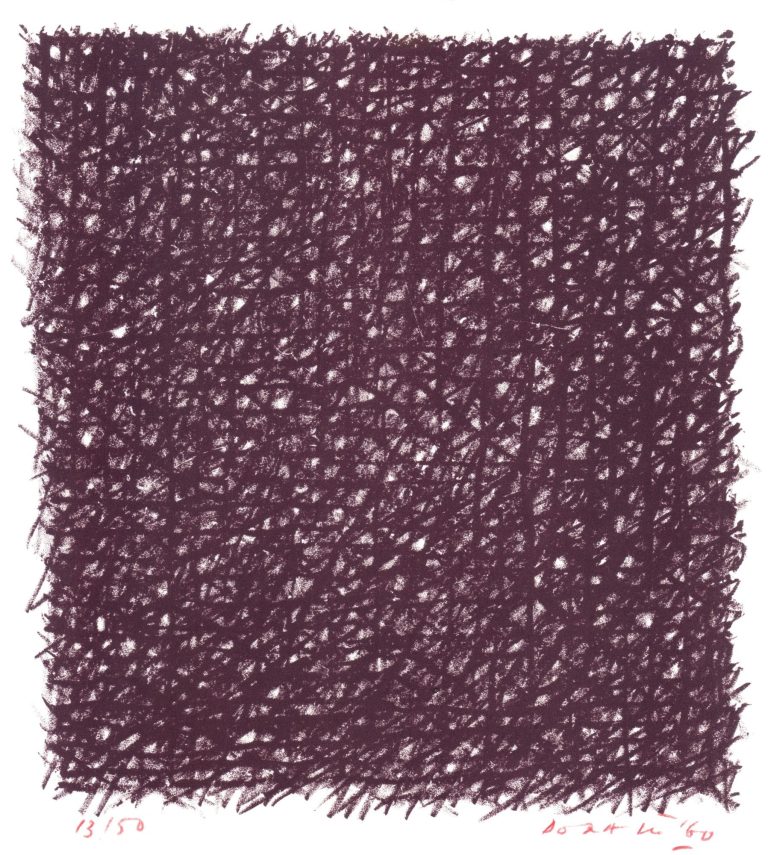
Without title (Reticolo)
Dorazio, Piero
1960
13/50
Reticolo, the Italian appellation for these untitled works of art consisting of intervowen lattices, marked the start of Dorazio's international career at the turn of the decade into the 1960s.
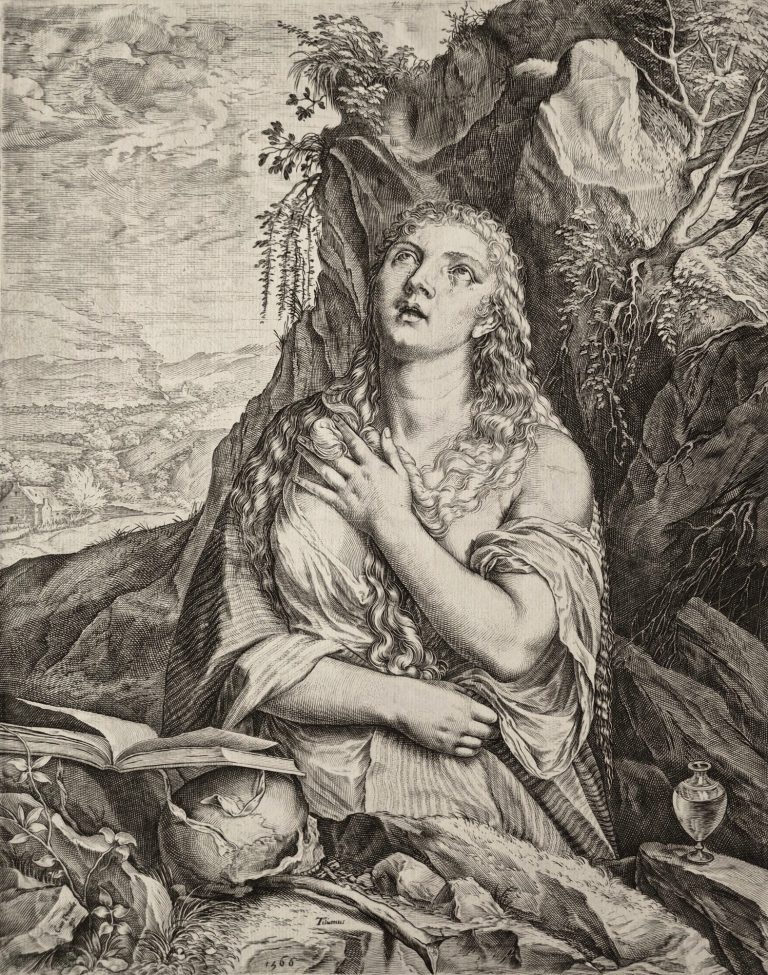
Repentant Mary Magdalene
Cort, Cornelis
after Vecellio, Tiziano
1566
New Hollstein Dutch 132-1(2)
Lugt 2446
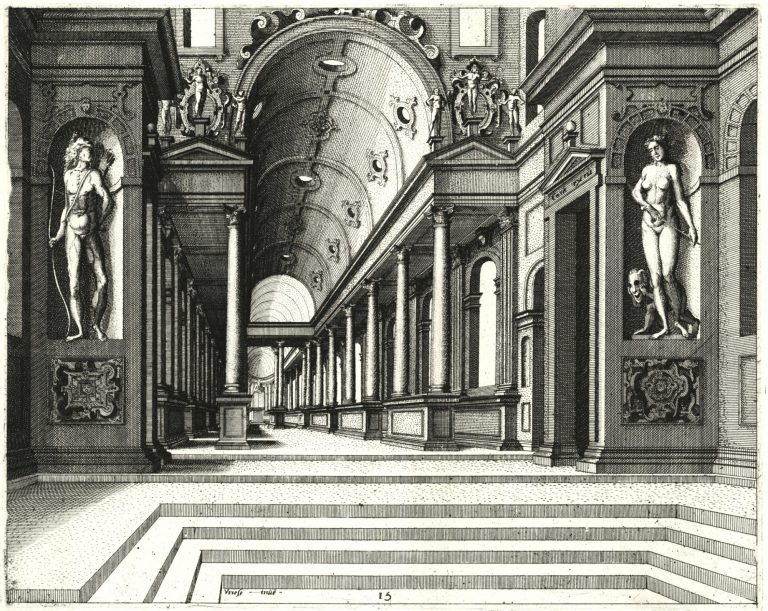
View of a church with statues of Apollo and Melpomene
Doetechum, Johannes van
after Vredeman de Vries, Hans
1563
New Hollstein Dutch 177-1(2)
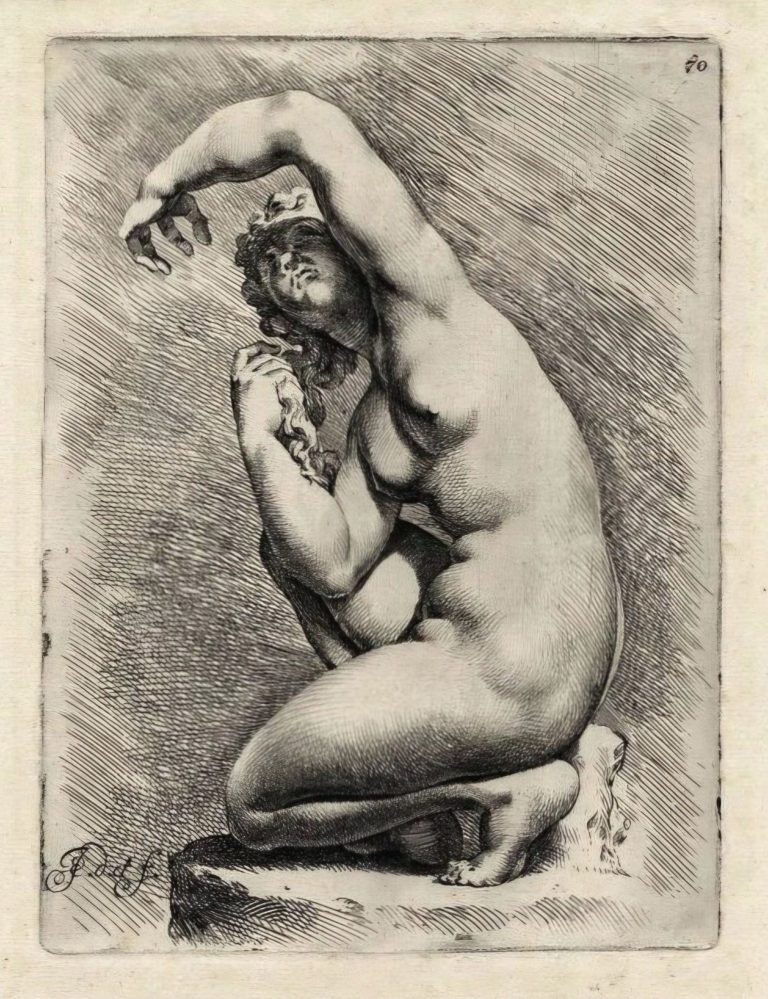
Crouching Venus, view from left flank
Bisschop, Jan de
1669
Gelder & Jost 80-1(3)
Based on a sculpture, which can be deduced from the missing digitus minimus on the hand of the arching arm.
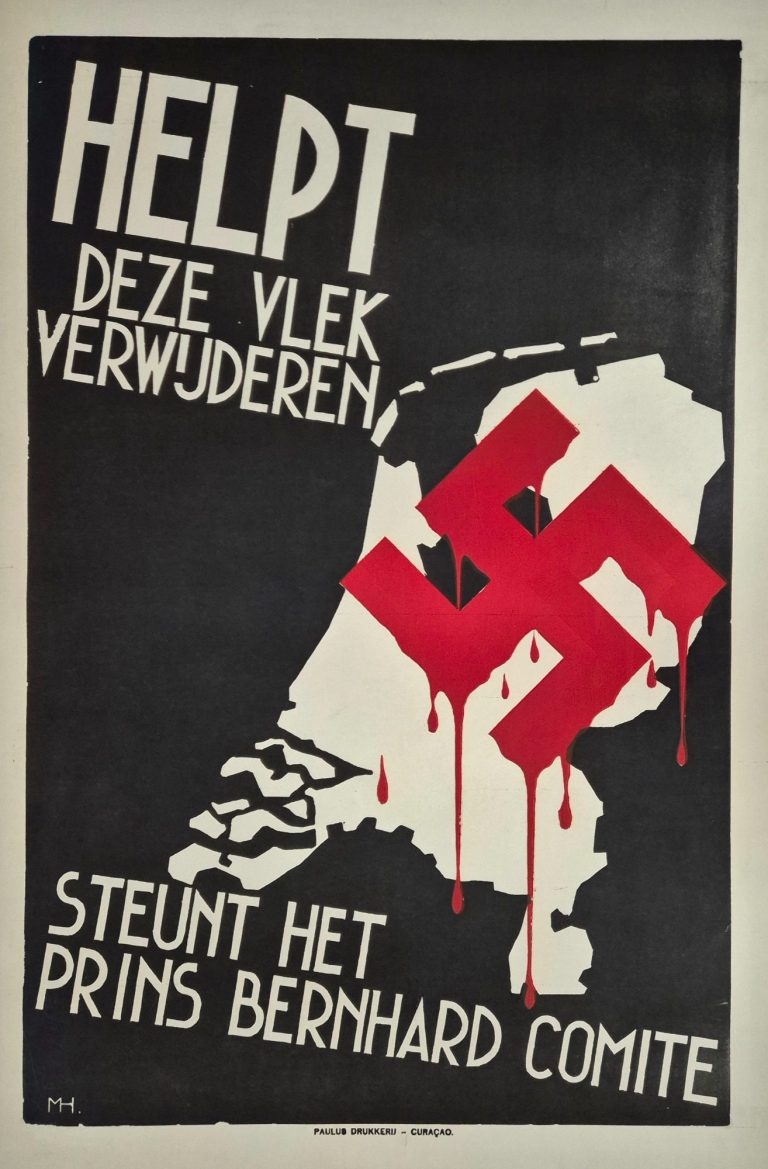
'Helpt deze vlek verwijderen, steunt het Prins Bernhard comite'
Monogrammist MH
Between 1941 - 1944
'Help to erase this stain, support the Prince Bernhard committee'; a lithograph poster produced in Curaçao. This island in the Southern Caribbean was of major importance to the Allied efforts, through both material and financial support, during the Second World War.
Merely 2 other copies traced, at V&A and MoMA.
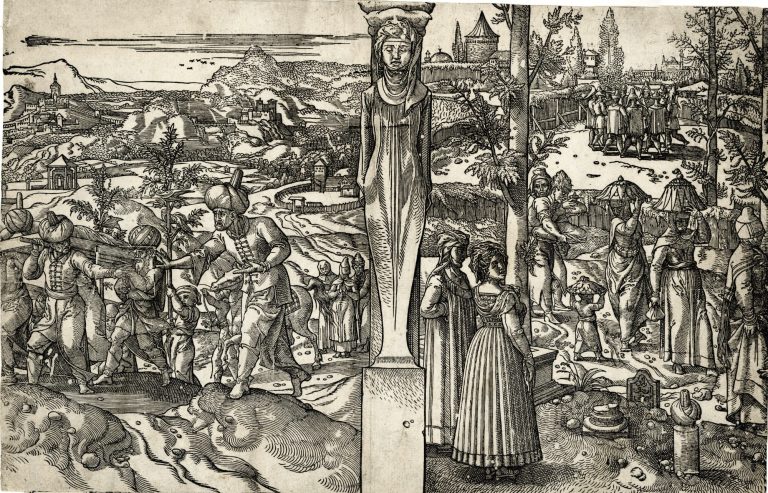
Funeral procession and wedding cortege
Coecke van Aelst (I), Pieter
1553
Hollstein Dutch 4 (only)
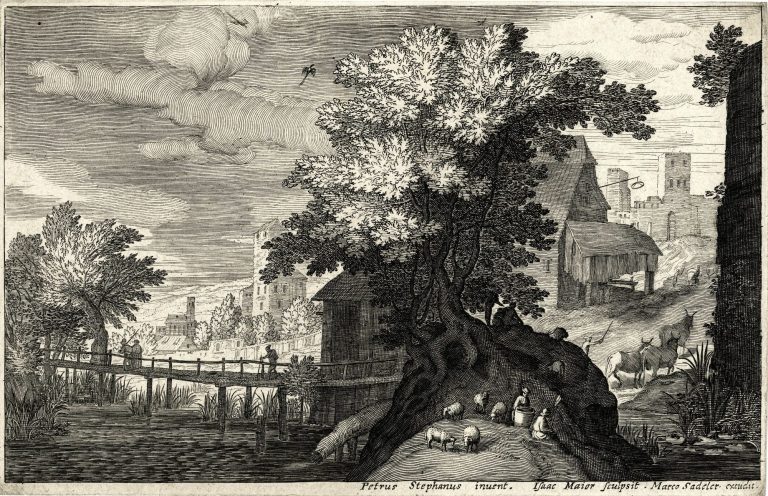
View of a village with wooden brigde
Major, Isaak
after Stevens (I), Peter
Between 1586-1630
Hollstein German 25-3(3)
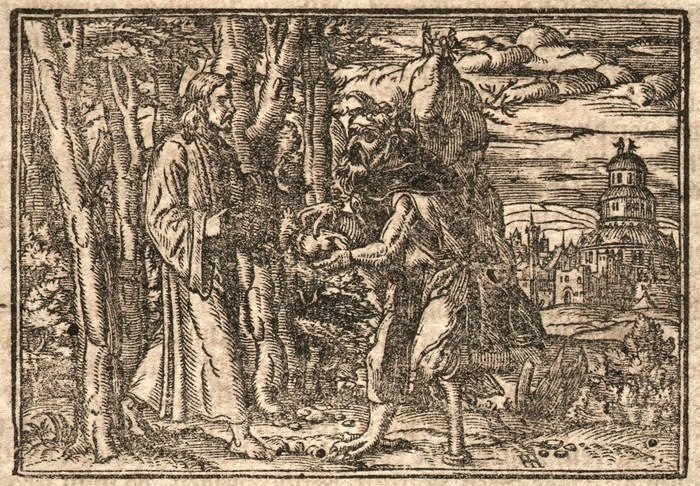
Devil tempts Christ to turn stones into bread
Holbein (II), Hans
Between 1536-40
Hans Holbein (II), who became the leading artist to the court of Henry VIII following recommendations by the Dutch humanist Desiderius Erasmus, created many woodcut designs, most famously his celebrated interpretation of the Dance of Death. The woodcut presented here harbours his interlaced HH monogram, a rarity on its own.
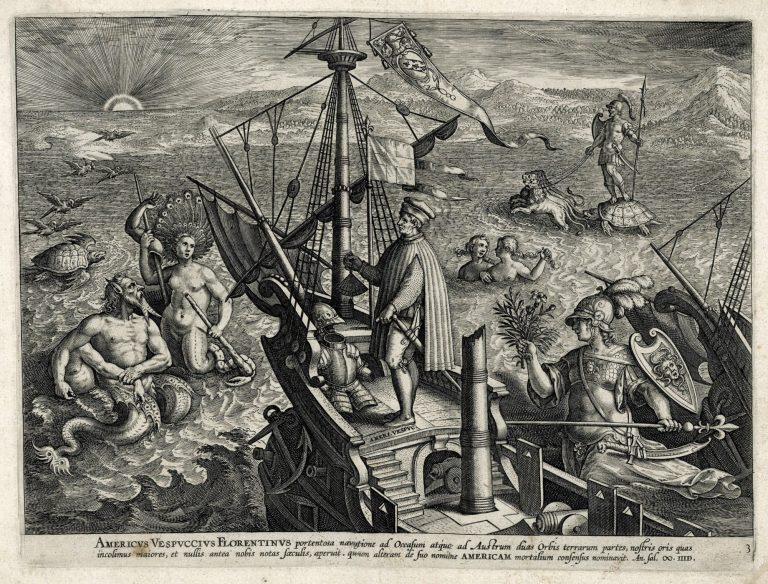
Americho Vespucci
Collaert, Adriaen
after Straet, Jan van der
1585
New Hollstein 1201-2(2)
A richly toned impression of the 3rd plate out of 4 in the America Retectio series. This set of 3 works, plus a title page, celebrates the efforts of Columbus, Vespucci and Magellan in the discovery of the 'New World'.
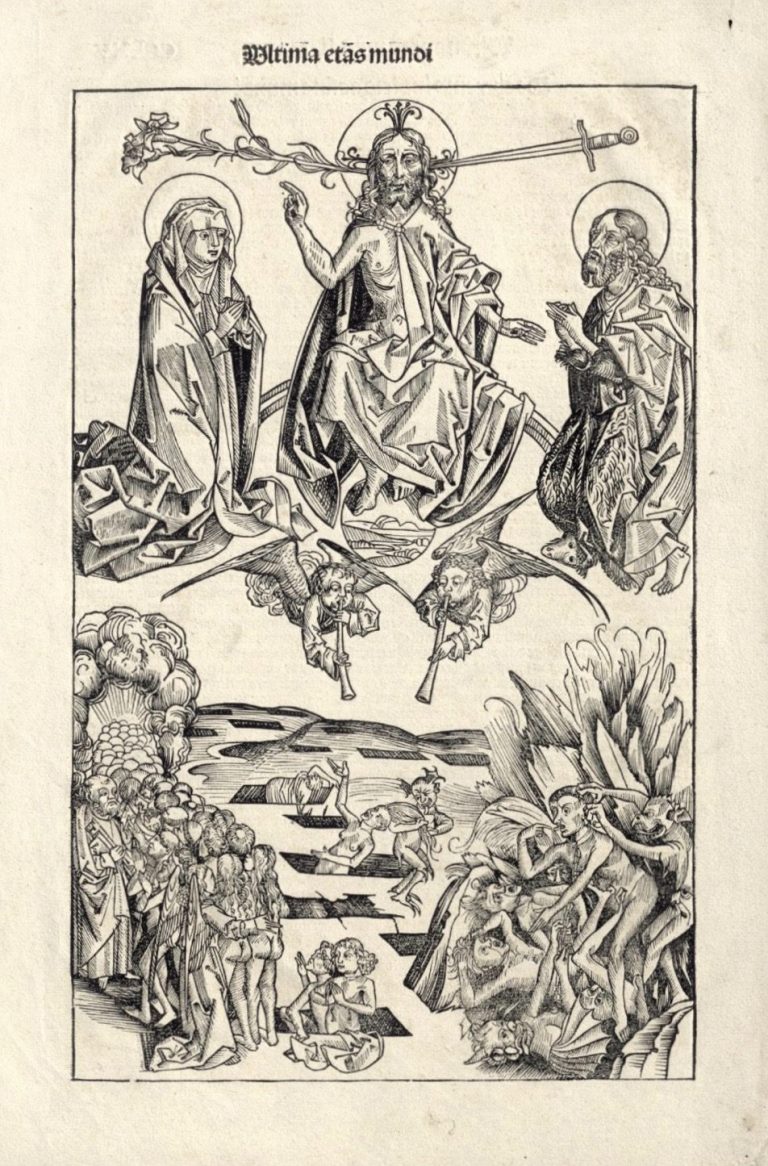
Day of Judgement
Wolgemut, Michael
1493
A pristine example with the imprint of Roman numerals (on verso) embossing the folio (top left).
Art Depot Olieslagers holds several other Liber Chronicarum folios from the primary run in which the paper embossing, by fresh and unworn movable types, is still present over 500 years after the late medieval era passed. An early impression of the genre-defining Imago Mortis, with the upper section of the right border line intact, is reposited as well.
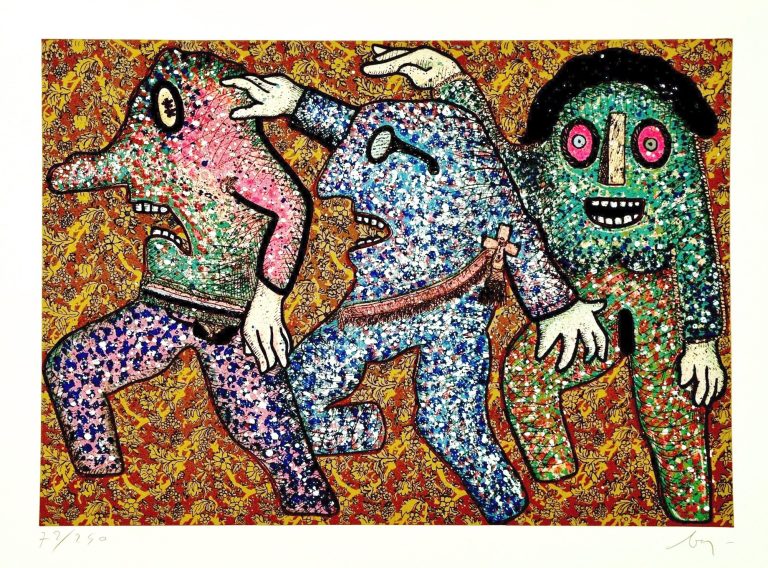
Parade of generals
Baj, Enrico
1979
Electa Milano
72/250
Enrico Baj greatly excelled in mixed media works of art. The parade of generals is one of his key serigraphs, collaged with signature fabric and trim.
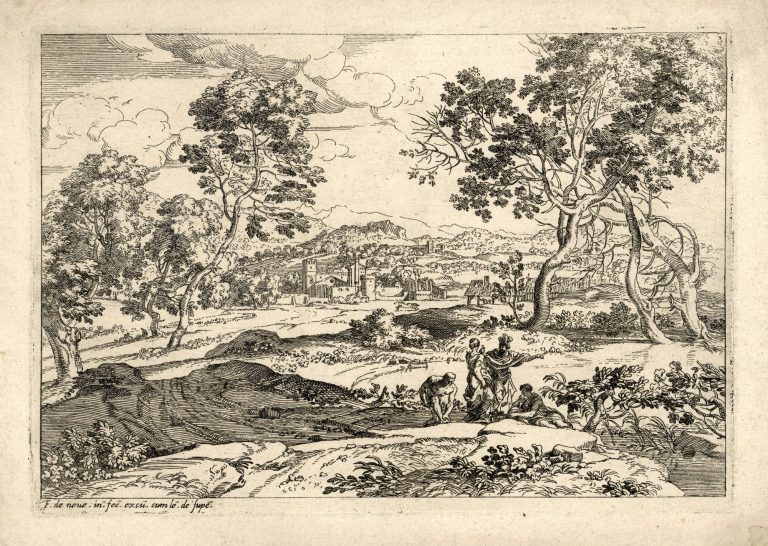
Four figures in an undulating landscape
Neve (II), Fransiscus de
Between 1660-6
Hollstein Dutch 6 (only)
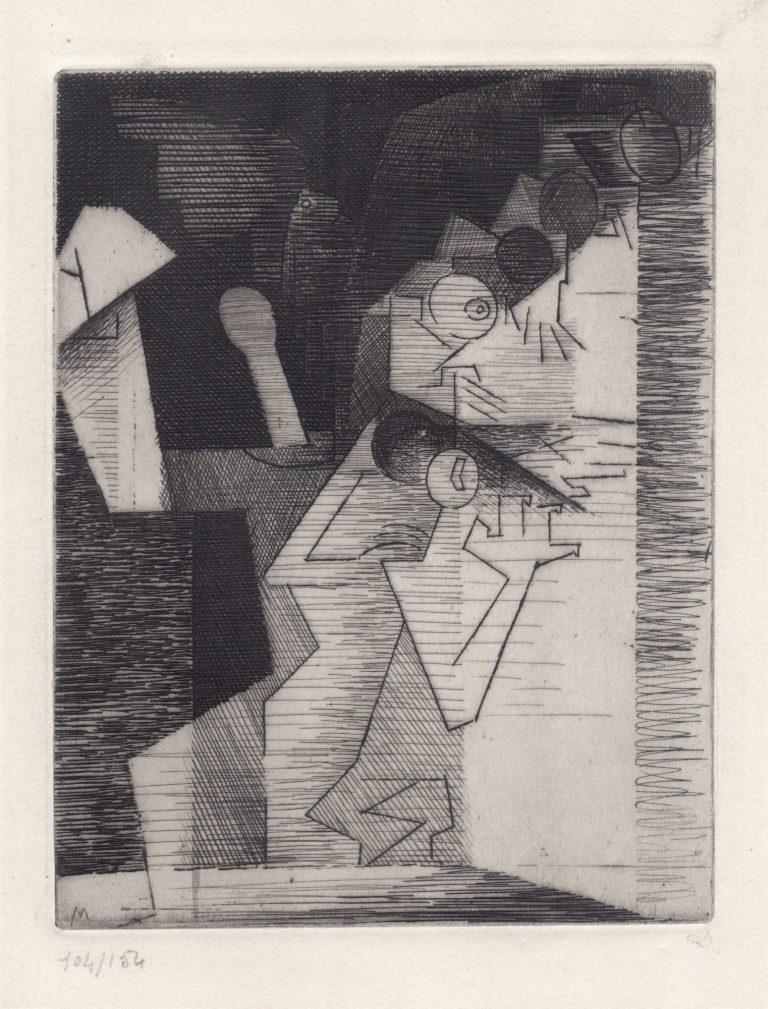
At the casino
Marcoussis, Louis
1931
104/154
This print bears a collector's mark, the provenance of which was investigated by the Fondation Custodia. The mark was reported once before, stamped on a print after Gillis van Scheyndel, published by Claes Jansz Visscher, in a private collection. However, the identity of the collector could not be determined.
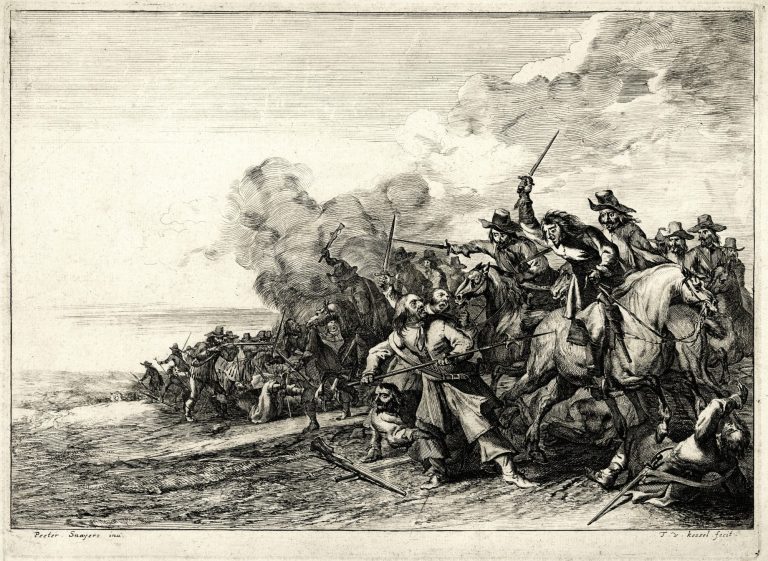
Cavalery and foot soldiers engaged in combat
Kessel, Theodorus van
after Snayers, Pieter
1656
Hollstein Dutch 73 (only)
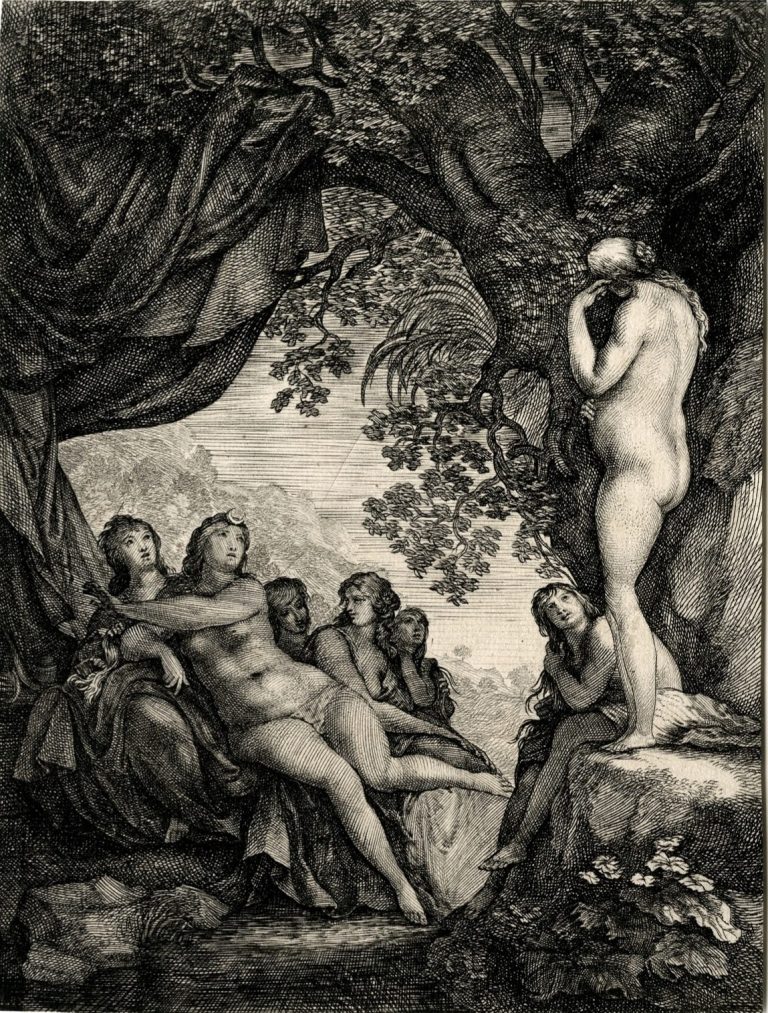
Diana discovers the pregnancy of Callisto
Wtenbrouck, Moyses
Between 1600-47
proof before Hollstein Dutch 49-1(2)
An extremely dark proof missing various etch lines compared to Hollstein Dutch 49-1(2). The 2nd and final state was brought about through addition of Wtenbrouck's signature in the bottom left boulder. Hence, this particular impression has yet to be recorded in Hollstein.
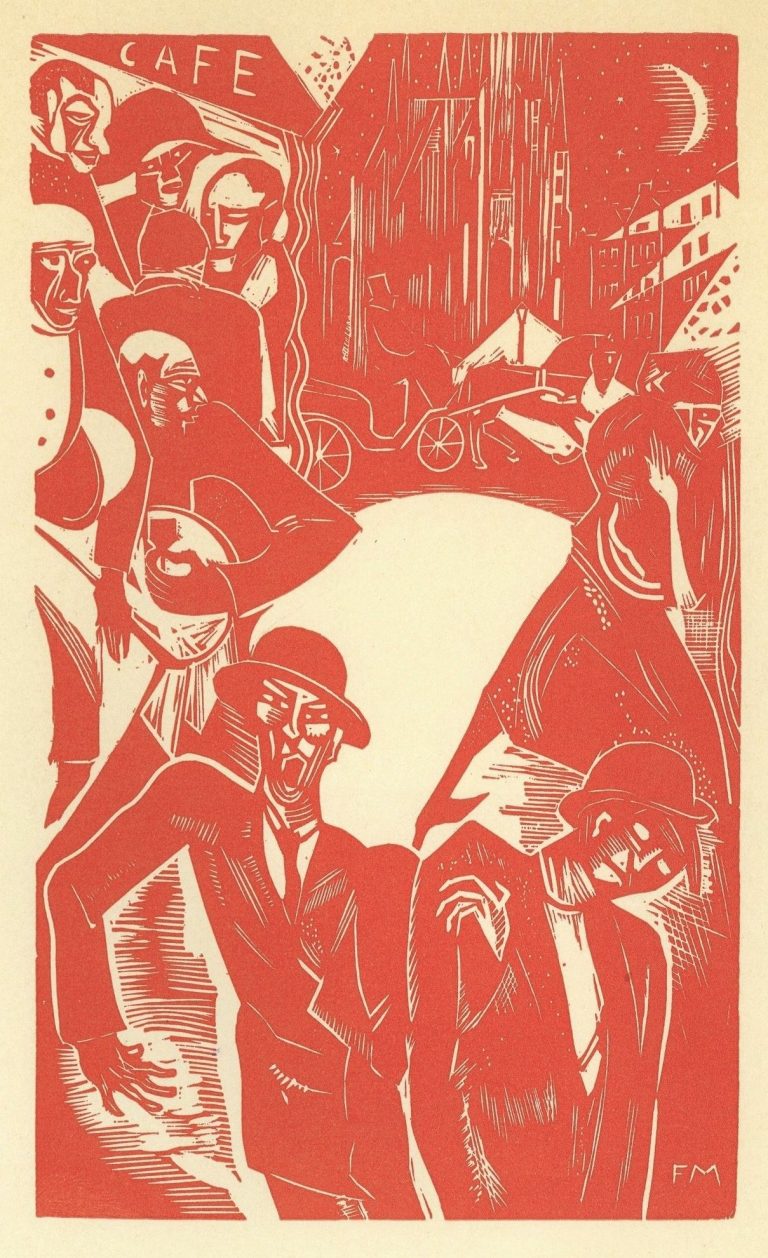
Drunkards
Mees, Fokko Alting
1924
Red-coloured (never released) proof for the portfolio Dark Souls.
Fokko Mees was a contemporary of Frans Masereel and Conrad Felixmüller, all three monogramming their blocks with the initials FM.
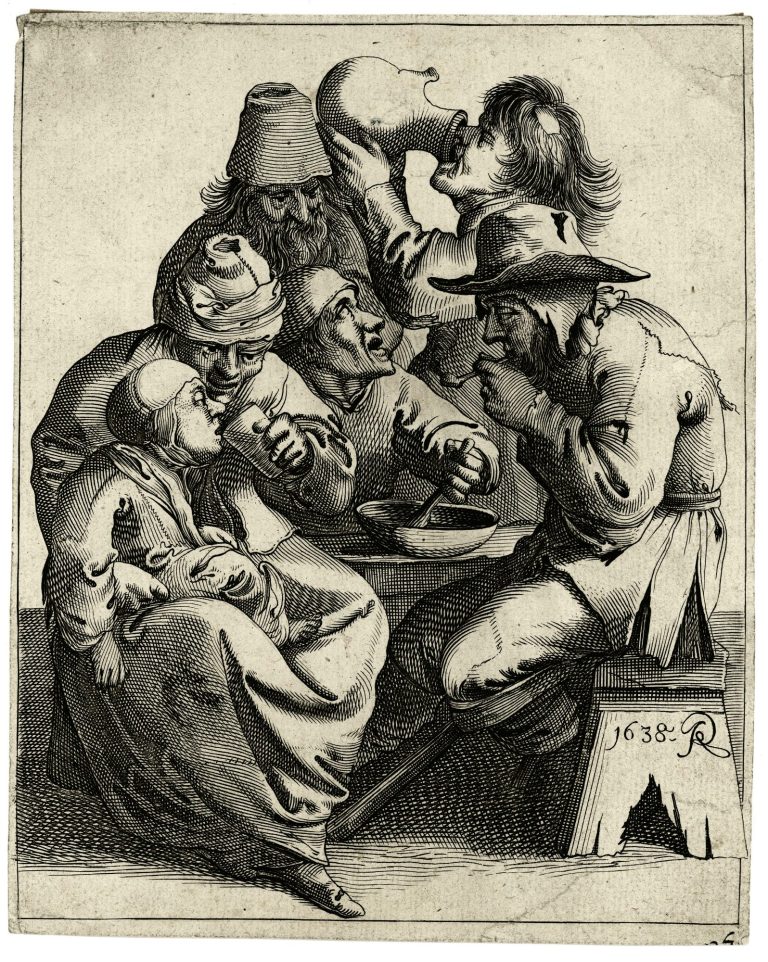
Beggars and peasents at a round table
Quast, Pieter Jansz
1638
Hollstein Dutch 32-1(2)
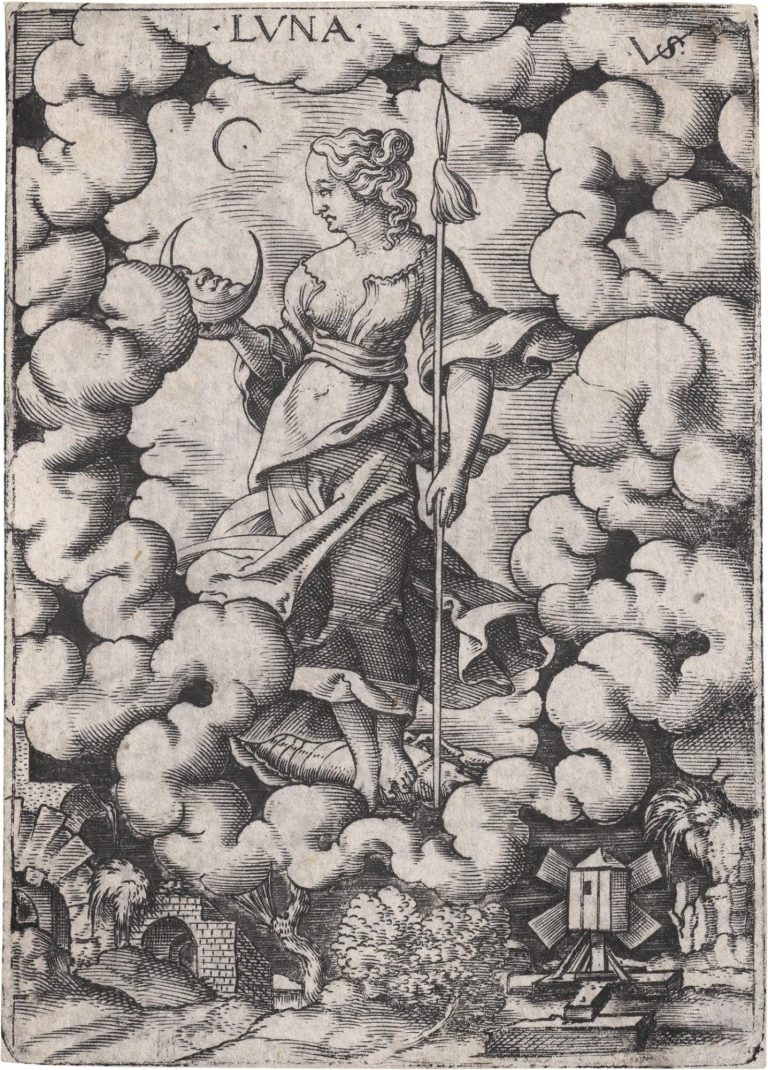
Luna
Virgil Solis
1530-62
O'Dell-Franke Solis e35
Allegorical depiction of the Moon. The entire series, preserved by Art Depot Olieslagers, follows the Ptolomaic geocentric model, including Saturnus, Jupiter, Mars, Sol, Venus and Mercurius, respectively O'Dell-Franke Solis e29-34.
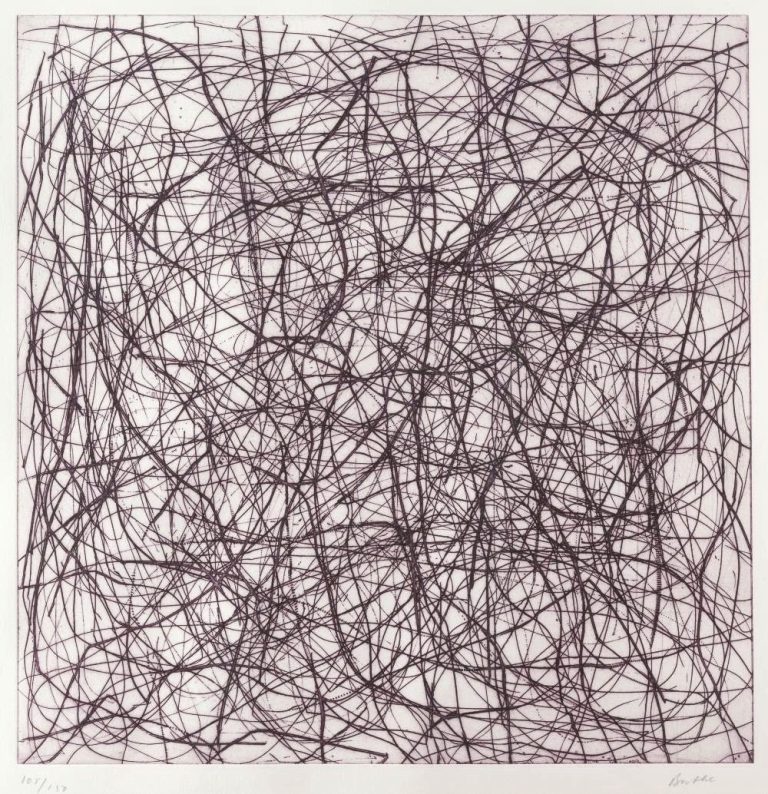
Without title
Buthe, Michael
1970
105/150
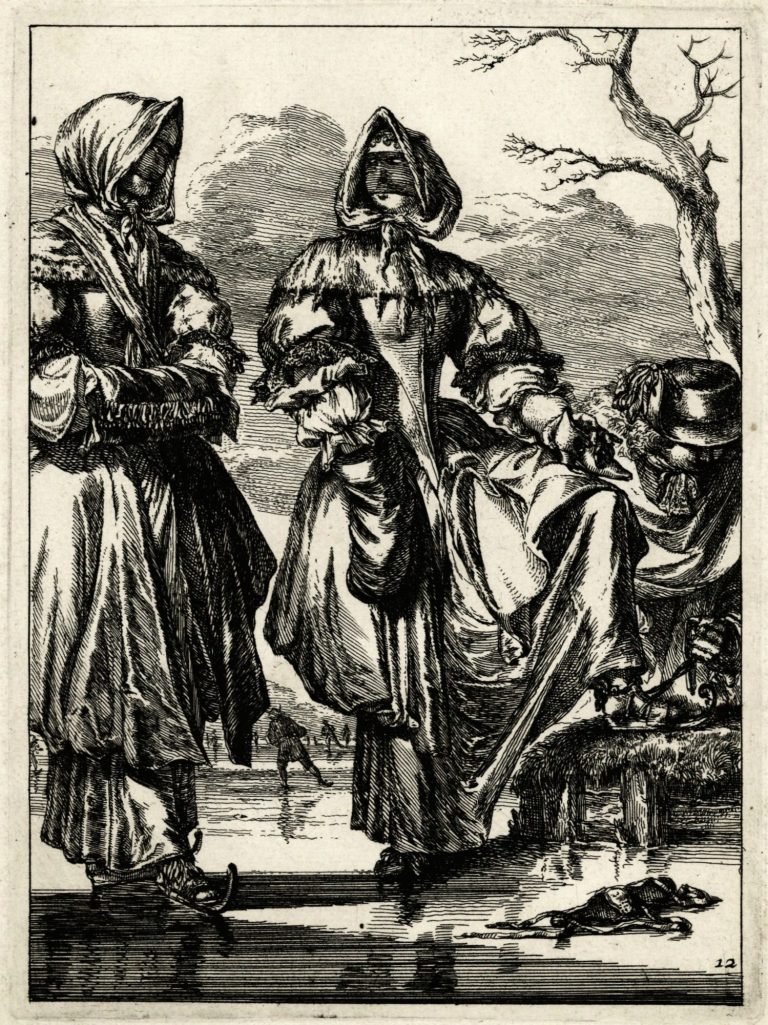
Two women on ice skates
Hooghe, Romeyn de
1670-85
Hollstein Dutch 374 (only)
From the series Figures a la mode.
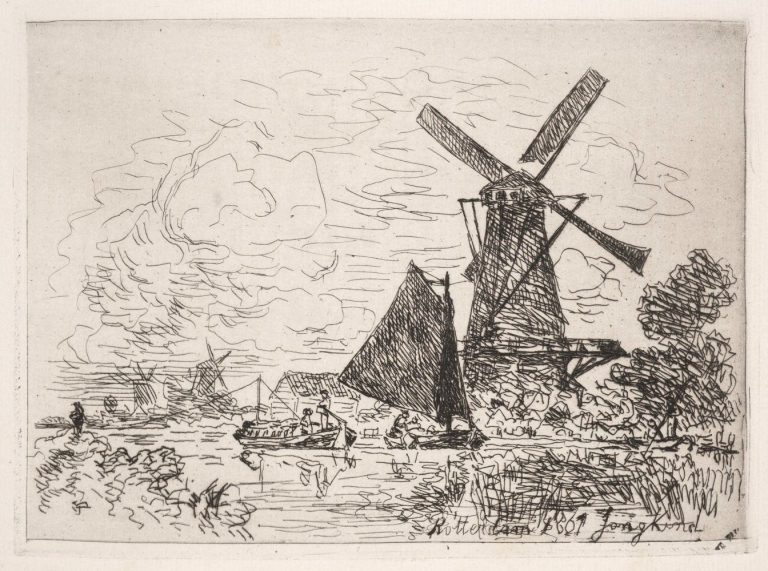
Windmills in Holland
Jongkind, Johan Barthold
1867
Delteil 14-1(3)
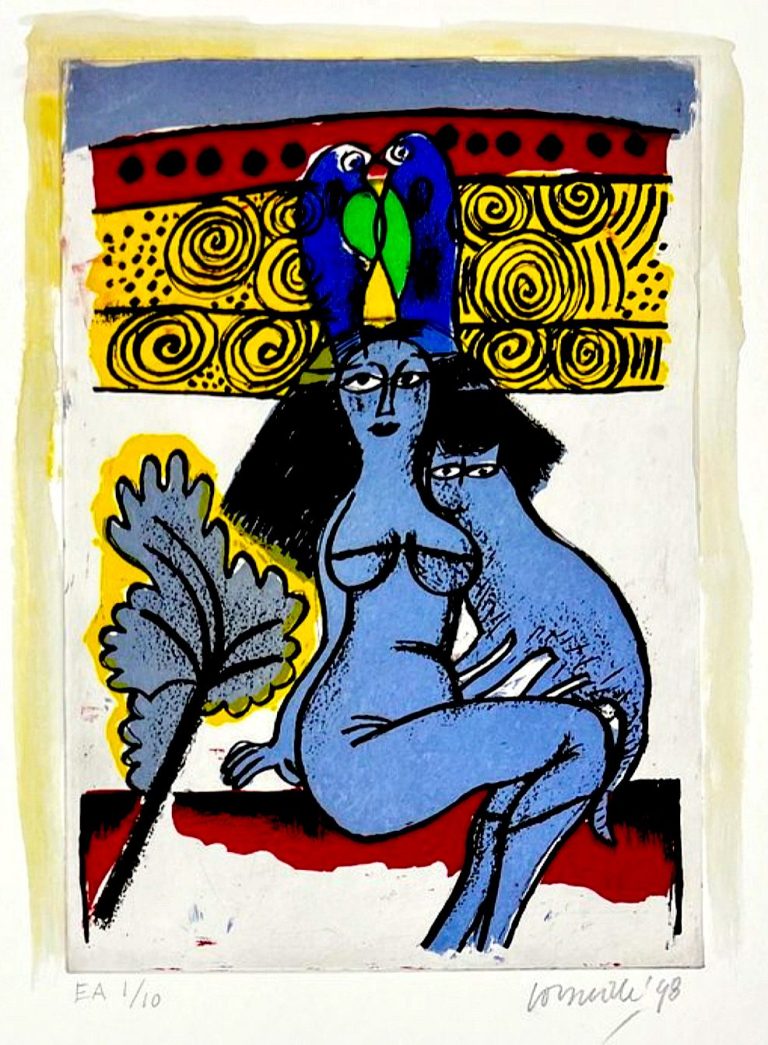
Blue Cat
Beverloo, Cornelis Guillaume van
1998
This aquatint, 1 of 10, was embellished by Corneille with a cartouche of cream and yellowish gouache. The other 9 artist proofs were treated and/or coloured differently, rendering this "multiple" a unique work. Verso retains the artist's stamp.
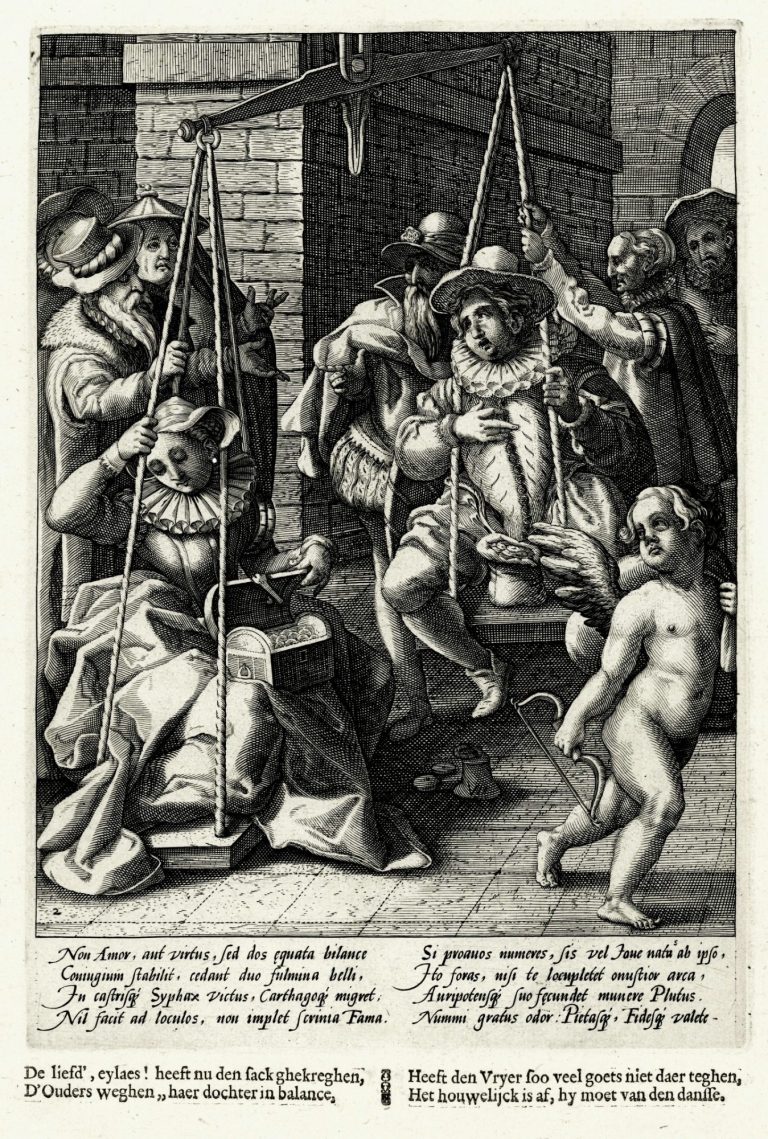
The marriage scales
Goltzius, Hendrick (workshop of)
after Mander, Karel van
1590-4
New Hollstein Dutch 96-1(3)
The two most pervasive incentives in life, love and capital, imbalanced. This strong imagery shows Cupid abandoning the couple as the man’s parents struggle and fail to balance the scales of marriage, because their funds do not match those of the prospective in-laws.
The drawing by Karel van Mander is reposited at the Albertina in Vienna. It was part of the collection of the museum's founder Prince Albert Casimir of Saxony, Duke of Teschen.
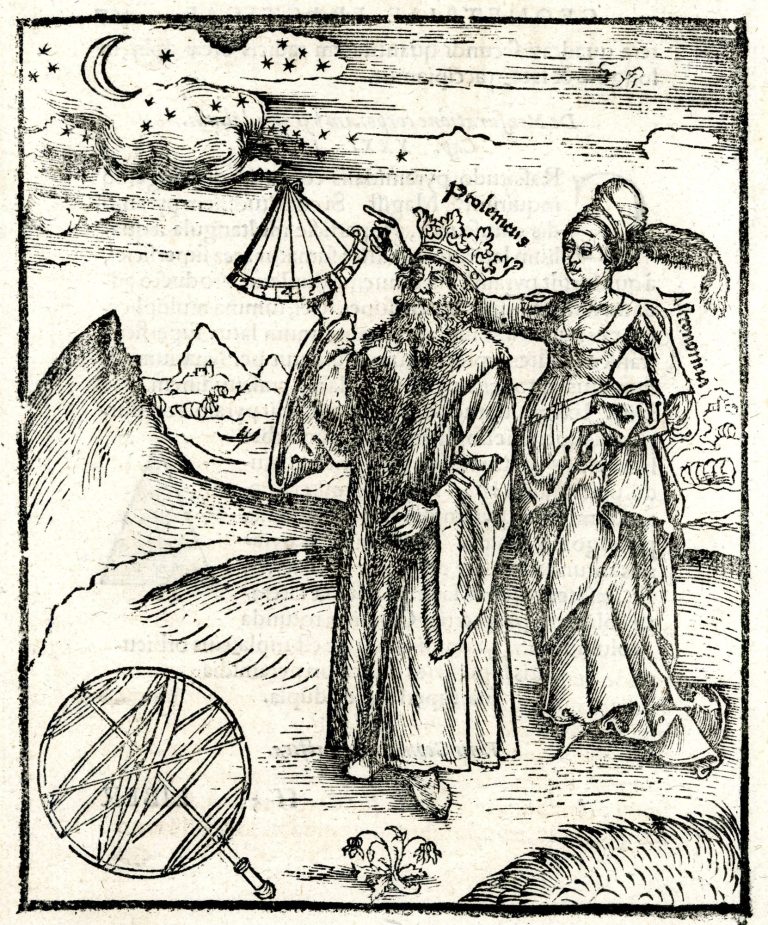
Ptolemaeus and Astronomia
Monogrammist DS
1504
From Margarita Philosophica by Gregor Reisch in 1504. The works by this monogrammist were of significant impact to Urs Graf.
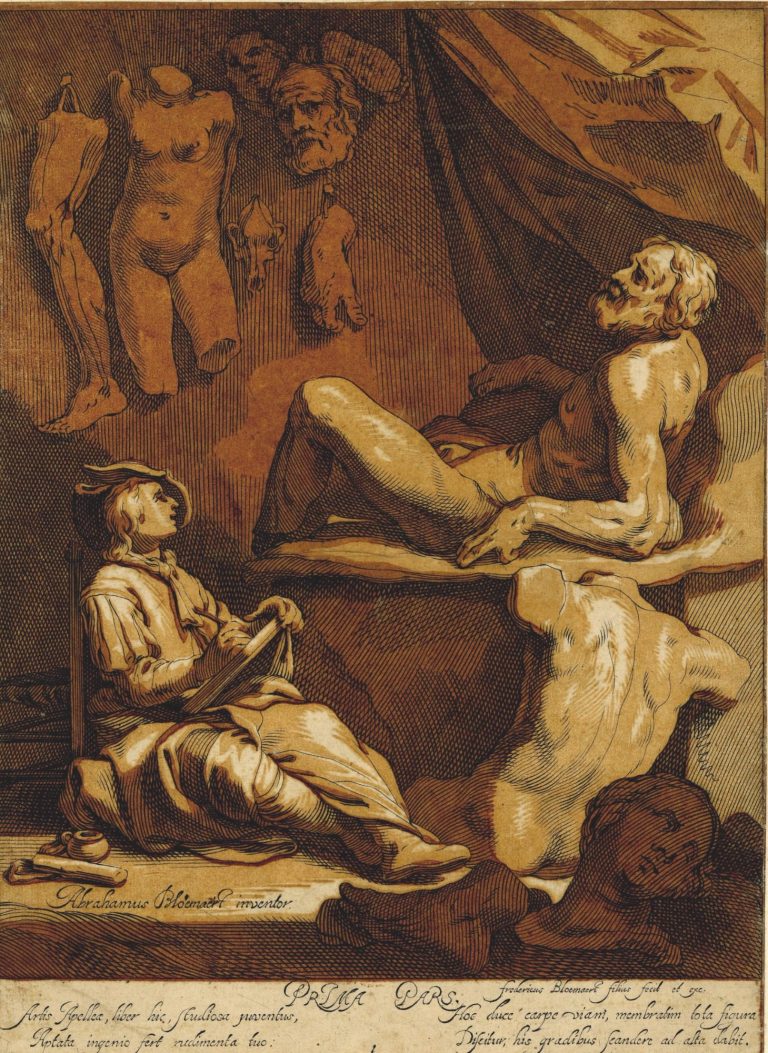
Title page for 'Oorspronkelyk en vermaard konstryk tekenboek'
Bloemaert, Frederik
after Bloemaert, Abraham
1624-69
Roethlisberger T1
Etching with chiaroscuro xylography. In the 1st state of 4, evidenced by Frederik Bloemaert's own publishing address.
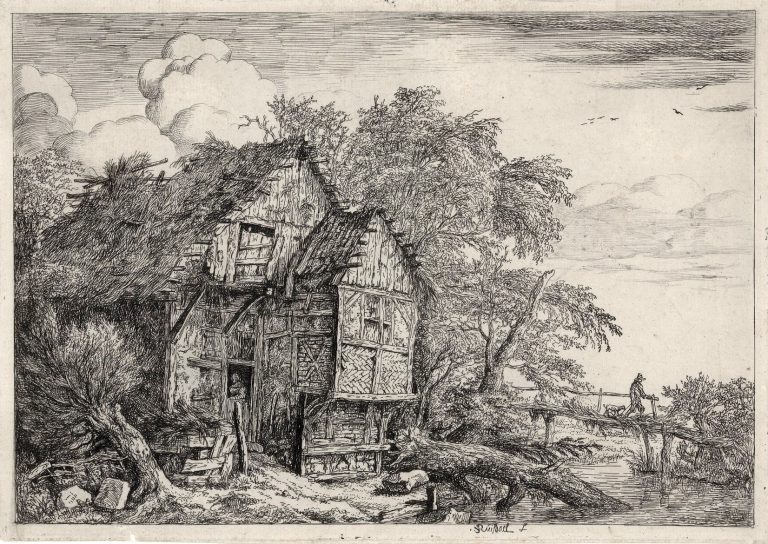
The little bridge
Ruisdael, Jacob Isaacksz van
1650 - 1699
Hollstein Dutch 1-2(2)